
IPLOOK NETWORKS CO., LTD. Highlights 4G and 5G Core Network Purchasing Options for Operators Seeking IMS, MVNO, FWA, and Private Network Solutions
Hong Kong, China – October 29, 2026
IPLOOK NETWORKS CO., LTD., operating under the IPLOOK brand, is highlighting its portfolio of mobile core network technologies and deployment options for mobile network operators, mobile virtual network operators, mobile virtual network enablers, enterprises, and telecommunications service providers. With solutions spanning IMS Core Network, 4G Core Network, 5G Core Network, FWA Solution, Private 5G Network, Private LTE Network, MVNE Platform, and MVNO Solution, the company supports organizations evaluating network infrastructure suppliers, technology integration partners, and long-term deployment strategies.
As telecommunications operators continue to develop their networks and expand their service portfolios, purchasing decisions increasingly involve more than the selection of individual network components. Buyers must consider interoperability with existing radio access networks, the ability to support different generations of mobile technology, deployment flexibility, operational expenditure, service continuity, and the availability of engineering support. IPLOOK’s portfolio addresses these considerations through mobile core network products and solutions designed for different operator requirements, network sizes, and deployment environments.
Mobile Core Network Purchasing Decisions Focus on Integration and Long-Term Requirements
Selecting an IMS Core Network company, 4G Core Network supplier, or 5G Core Network vendor involves evaluating technical capabilities alongside commercial and operational requirements. For telecommunications businesses, the core network is a central component of subscriber connectivity, mobility management, session control, voice services, and data delivery. Its design can influence how effectively an operator introduces new services, integrates infrastructure from multiple vendors, and manages network evolution.
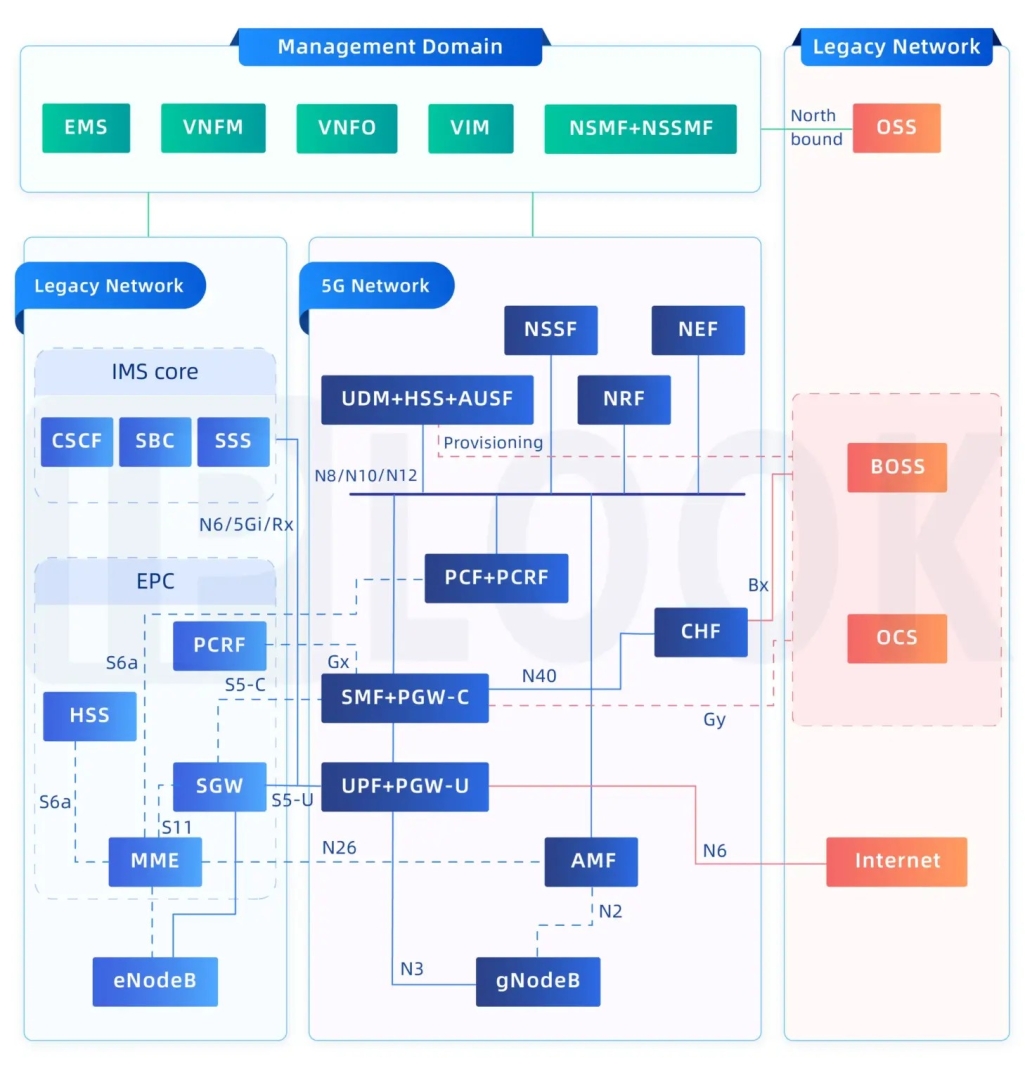
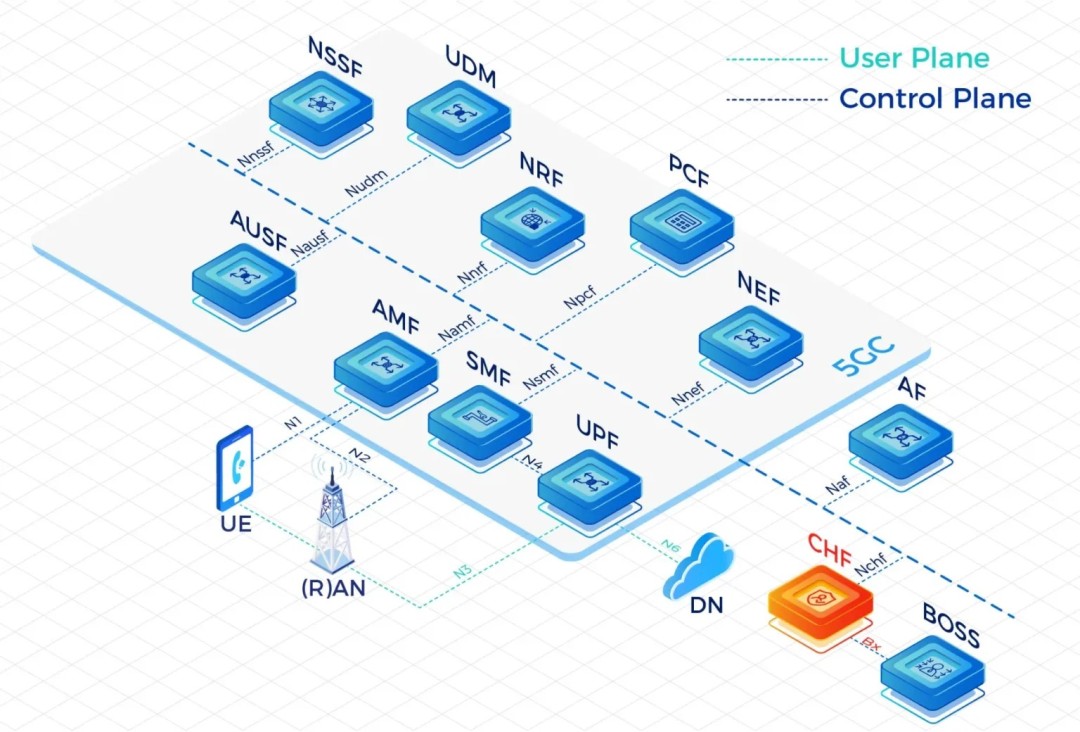
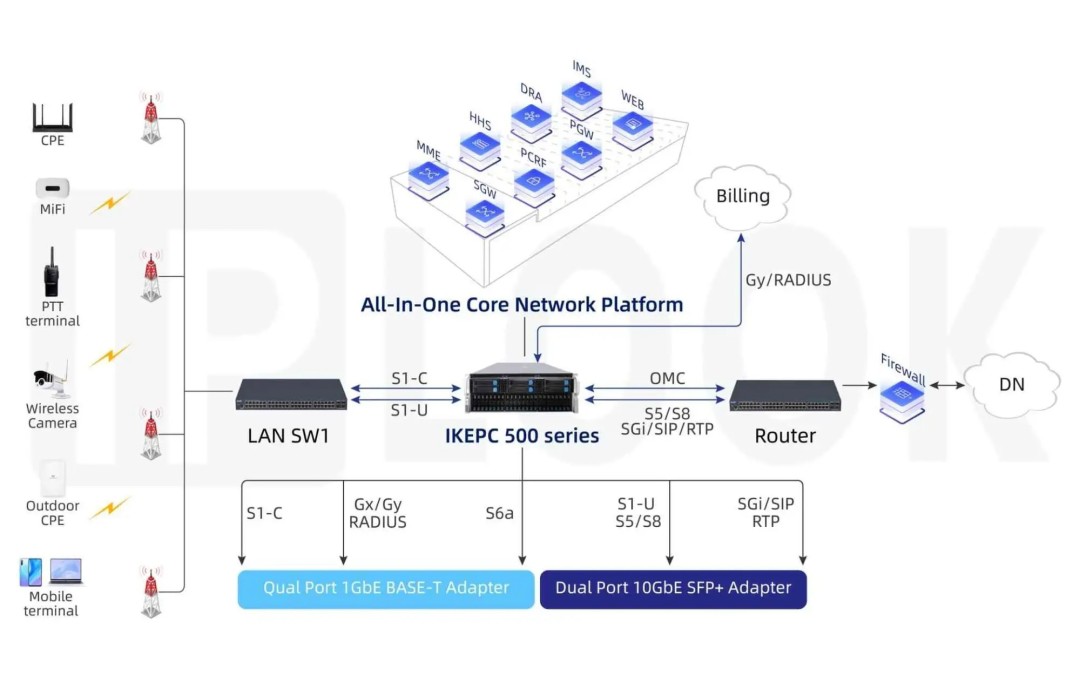
IPLOOK develops mobile core network software for organizations that require configurable architectures and options for gradual technology migration. Its product portfolio includes Evolved Packet Core (EPC), 5G Core Network (5GC), IP Multimedia Subsystem (IMS), Home Subscriber Server (HSS), Home Location Register (HLR), Mobility Management Entity (MME), Serving Gateway (SGW), Packet Data Network Gateway (PGW), User Plane Function (UPF), and related network components.
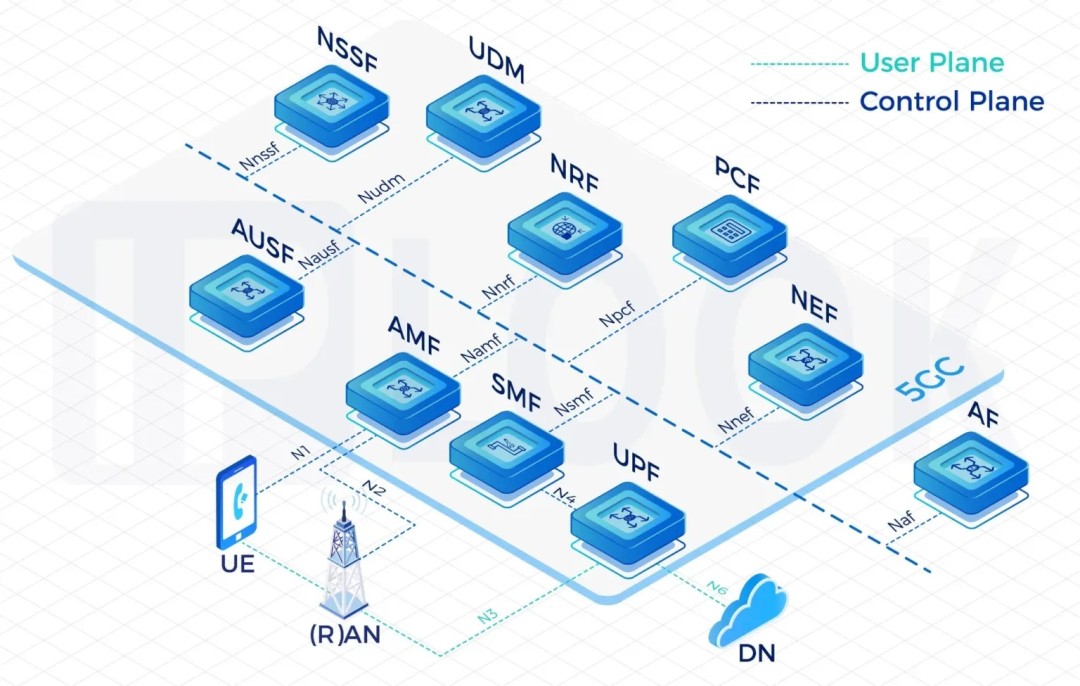
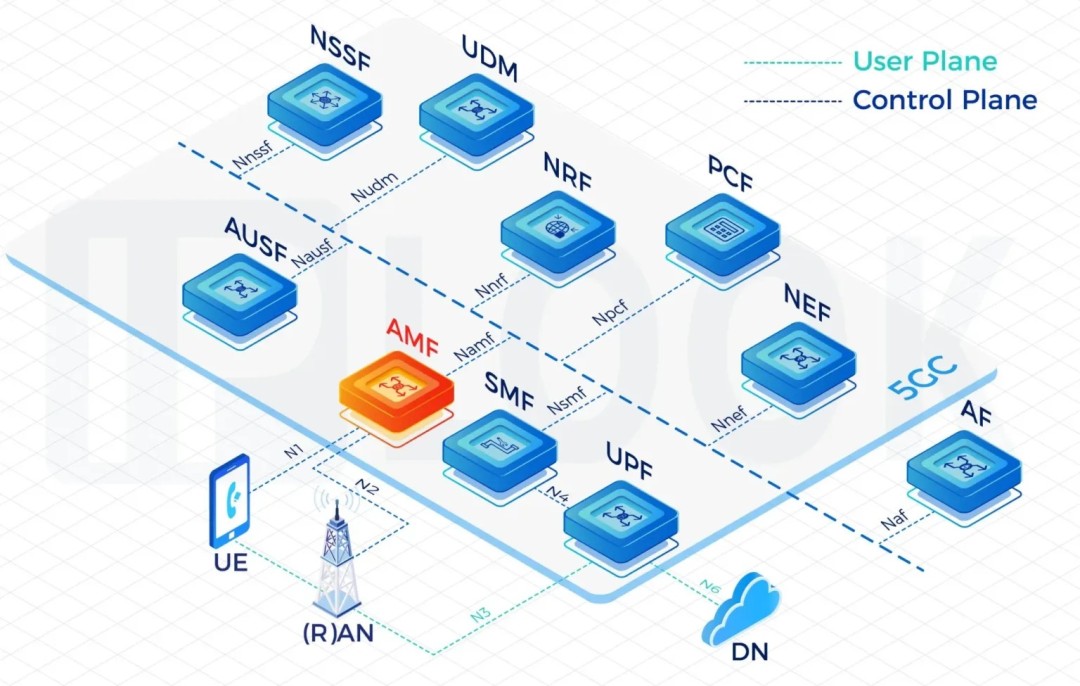
These technologies serve different functions within mobile networks. EPC provides core network functions for LTE services, while 5GC supports the service-based architecture of 5G Standalone deployments. IMS provides a framework for IP-based multimedia services, including VoLTE and VoWiFi, subject to the capabilities and configuration of the complete network. By offering several components within one portfolio, IPLOOK enables customers to assess combinations of products against their existing infrastructure and planned service requirements.
For buyers comparing a professional IMS Core Network supplier or evaluating a 4G Core Network platform, the practical considerations include supported interfaces, capacity requirements, redundancy, integration effort, software lifecycle management, and the resources required for deployment and maintenance. These factors provide a more useful basis for supplier evaluation than broad claims about product quality alone.
IMS Core Network Solutions for Voice and Multimedia Services
IMS Core Network technology remains an important consideration for operators introducing or expanding IP-based voice and multimedia services. IMS can support service architectures for Voice over LTE (VoLTE), Voice over Wi-Fi (VoWiFi), and Voice over New Radio (VoNR), depending on the implementation, device compatibility, radio network configuration, and interconnection arrangements.
IPLOOK offers IMS as part of its broader mobile core network portfolio. Operators assessing an IMS Core Network platform can evaluate its role in their existing LTE or 5G infrastructure, the integration requirements for voice services, and the migration path from legacy service environments.
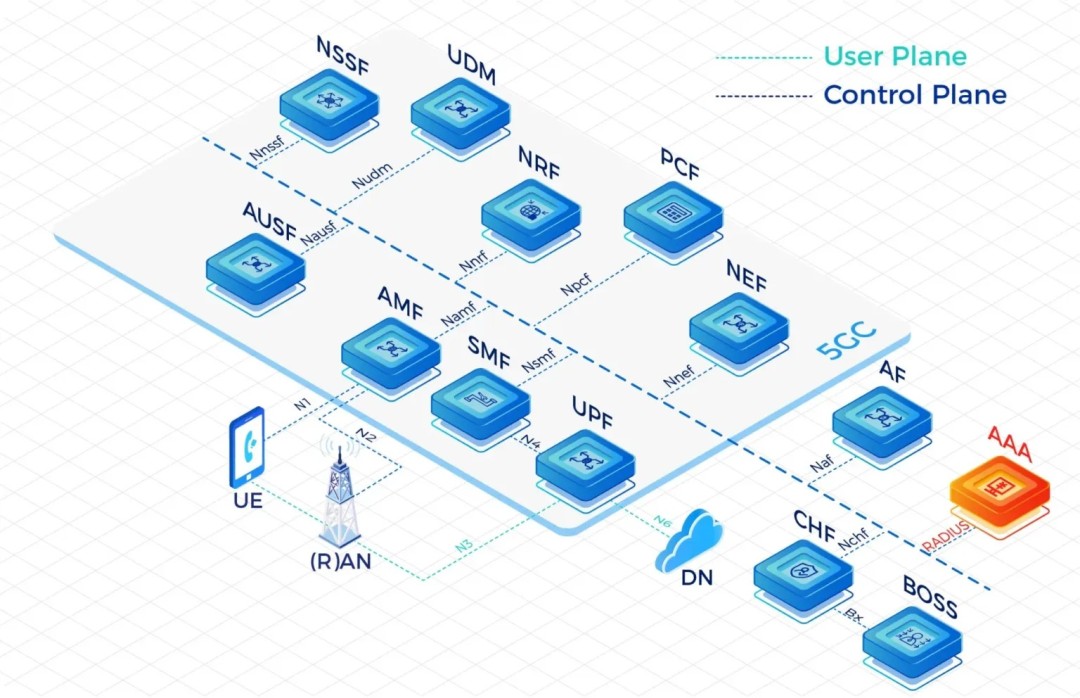
For service providers, purchasing considerations may include the ability to integrate IMS with subscriber databases, policy control, session border controllers, signaling systems, and charging or billing platforms. Multi-vendor interoperability and the availability of technical support during commissioning are also relevant when determining the scope and schedule of a deployment.
Organizations searching for a China IMS Core Network company, a professional IMS Core Network vendor, or a white-label IMS Core Network option should distinguish between the geographical origin of a supplier, its actual product capabilities, and the commercial arrangements it offers. White-label availability, wholesale licensing, customization, and branding rights should be confirmed directly with the supplier rather than assumed from a general product description.
4G and 5G Core Network Platforms for Network Evolution
Mobile operators often need to maintain established LTE services while preparing for new 5G deployments. This creates demand for core network architectures that can accommodate existing subscribers, current service requirements, and future network expansion without requiring every component to be replaced simultaneously.
IPLOOK’s product range includes EPC and 5GC, as well as converged core network solutions supporting the evolution of 3G, 4G, and 5G technologies. The company has reported commercial deployments of its 5G Core Network and the development of converged core network capabilities. These offerings give operators a basis for evaluating alternative deployment models according to their network topology, subscriber profile, and service roadmap.
A 4G Core Network platform may be relevant to operators expanding LTE coverage, launching new mobile services, or establishing networks in markets where LTE remains a primary access technology. A 5G Core Network platform may be considered by operators planning 5G Standalone services, service-based network architectures, and deployments that require greater flexibility in control-plane and user-plane design.
Purchasing teams evaluating a professional 5G Core Network supplier should assess supported 3GPP releases, network functions, interface compatibility, capacity, resilience, and performance under expected traffic conditions. They should also establish how the proposed architecture will integrate with radio access equipment, transport networks, subscriber management systems, and operational support processes.
The appropriate solution depends on the operator’s objectives. Some organizations prioritize a compact deployment with a limited number of network functions, while others require distributed architectures, geographic redundancy, or dedicated user-plane resources near traffic sources. A detailed technical assessment helps buyers determine which capabilities are necessary for their particular deployment rather than paying for functions that do not align with their requirements.
FWA Solutions for Fixed Wireless Broadband
Fixed Wireless Access (FWA) offers service providers an approach to delivering broadband connectivity through wireless networks rather than relying exclusively on fixed-line infrastructure. Depending on spectrum availability, radio coverage, customer premises equipment, backhaul capacity, and network configuration, FWA can support broadband services for residential, commercial, and underserved locations.
IPLOOK lists WISP/FWA Solution among its service areas. Its mobile core network technologies can form part of the underlying network architecture used by wireless internet service providers and other service providers building or expanding fixed wireless broadband offerings.
When evaluating an FWA Solution provider, buyers should consider the interaction between the radio access network, core network, subscriber authentication, IP address management, traffic policies, charging systems, and customer premises equipment. The required architecture will vary according to the service provider’s operating model, subscriber volumes, coverage objectives, and existing infrastructure.
A China FWA Solution supplier may be considered by international buyers seeking network software and engineering expertise, but supplier selection should also account for project-specific integration requirements, regulatory obligations, support arrangements, and deployment experience in the intended market.
The commercial assessment should establish how the solution supports subscriber growth, network expansion, service provisioning, and ongoing operations. Capacity planning and realistic performance testing are particularly important because the end-user experience depends on the combined performance of radio access, spectrum, backhaul, and core network components.
Private 5G Network and Private LTE Network Deployment
Enterprises in manufacturing, logistics, utilities, transportation, campuses, and other operational environments may consider private mobile networks when their connectivity requirements extend beyond conventional enterprise Wi-Fi or public mobile services. Private LTE Network and Private 5G Network deployments can provide dedicated network resources, managed access, and configurable connectivity for enterprise applications, subject to spectrum rights and the selected network architecture.
IPLOOK provides private LTE and private network solution options within its broader mobile core network business. Its core network technologies can be evaluated as part of deployments involving radio equipment, subscriber devices, enterprise applications, and supporting infrastructure.
A Private 5G Network supplier must be assessed against the enterprise’s specific requirements, including coverage, mobility, latency, device compatibility, security controls, redundancy, and integration with existing operational technology. A Private LTE Network platform may be suitable where LTE performance and established device support meet the application requirements, while a private 5G deployment may be considered where the required capabilities justify the additional investment and implementation complexity.
Organizations searching for a professional Private 5G Network vendor or a Private LTE Network company should also examine deployment ownership and operating models. Options may involve enterprise-managed infrastructure, a mobile operator delivering a managed service, or collaboration between a technology vendor and a systems integrator.
The purchasing process should define responsibilities for radio planning, spectrum authorization, core network configuration, device onboarding, cybersecurity, monitoring, maintenance, and service-level commitments. Clear allocation of these responsibilities can reduce integration uncertainty and support more predictable project delivery.
MVNO and MVNE Platforms for Telecommunications Service Providers
Mobile Virtual Network Operators (MVNOs) provide mobile services using network capacity obtained from one or more host mobile network operators. Mobile Virtual Network Enablers (MVNEs) provide infrastructure, systems, and operational capabilities that help MVNOs launch and manage their services.
IPLOOK offers MVNO Solution and MVNE Platform capabilities as part of its telecommunications portfolio. These solutions are relevant to organizations evaluating the infrastructure needed to establish a virtual mobile service, expand an existing subscriber base, or support multiple mobile brands and service propositions.
An MVNO Solution provider may need to support subscriber management, authentication, connectivity, service provisioning, charging integration, and interfaces to host operator systems. Requirements vary according to the MVNO’s business model, including whether it operates as a light MVNO with substantial reliance on its host operator or adopts a more infrastructure-intensive model.
For an MVNE Platform supplier, scalability, operational efficiency, integration flexibility, and support for multiple commercial arrangements can be central purchasing considerations. Buyers should determine which functions are provided directly by the platform and which depend on third-party billing, customer relationship management, orchestration, or host network systems.
Organizations comparing a professional MVNE Platform vendor, a white-label MVNO Solution, or wholesale mobile core network capabilities should request a clear breakdown of software licensing, customization, integration services, capacity limits, and ongoing support. They should also establish how the proposed platform will accommodate future subscriber growth and changes to the service portfolio.
VoWiFi and VoLTE Deployment Considerations
VoLTE and VoWiFi deployment projects require coordination across core network functions, IMS configuration, radio access, device support, subscriber provisioning, and interconnection arrangements. Although the technologies use IP-based transport for voice services, successful implementation depends on end-to-end configuration and validation rather than the installation of an IMS component alone.
IPLOOK’s IMS and mobile core network portfolio provides a foundation for operators assessing VoWiFi and VoLTE deployment requirements. Depending on the project scope, engineering activities may include interface configuration, interoperability testing, call-flow validation, mobility testing, service continuity checks, and coordination with device and radio vendors.
For buyers comparing a VoWiFi and VoLTE deployment company or supplier, the evaluation should identify supported network scenarios, device profiles, emergency calling requirements, roaming arrangements, lawful compliance obligations, and testing responsibilities. The scope of each project should be documented so that all participating vendors understand the acceptance criteria.
A phased implementation can allow an operator to validate network functions in a controlled environment before extending services to a larger subscriber population. Acceptance testing should reflect actual service requirements, including call establishment, handover behavior, registration, recovery from failures, and interoperability with the surrounding network.
Deployment Flexibility, Interoperability, and Engineering Support
Mobile core networks may be deployed on commercial off-the-shelf servers, virtualized infrastructure, cloud platforms, or distributed environments, depending on the product architecture and customer requirements. The appropriate model depends on performance targets, operational expertise, data governance, infrastructure availability, and the need to place user-plane resources close to end users.
IPLOOK’s published portfolio includes deployment options intended for different network environments, including public cloud and distributed network scenarios. Prospective customers should confirm the availability and supported configuration of each deployment model for the particular product version and use case under consideration.
Interoperability is another important part of supplier evaluation. IPLOOK reports interoperability testing with multiple radio equipment vendors. Buyers should request project-specific compatibility information, supported software versions, interface documentation, and test results relevant to the equipment they intend to use.
For an operator seeking a 4G Core Network supplier, 5G Core Network company, or MNO Core Network Solution provider, engineering support can influence the practical cost and timing of deployment. Technical workshops, architecture reviews, proof-of-concept testing, integration planning, and documented acceptance criteria can help clarify project risks before commercial implementation.
The total cost of ownership should include more than the initial software or infrastructure purchase. Licensing, integration, training, hardware, cloud consumption, maintenance, upgrades, and operational staffing can all affect the financial outcome. Buyers should compare suppliers using consistent assumptions and a defined evaluation period.
A Structured Approach to Selecting a Mobile Core Network Supplier
Telecommunications organizations can improve purchasing decisions by translating their business objectives into measurable technical and operational requirements. An initial assessment should identify the target service, expected subscriber capacity, required network functions, existing infrastructure, and anticipated expansion plans.
The next stage should establish the integration scope, including radio access compatibility, subscriber systems, billing interfaces, signaling, transport, security, and monitoring. A proof of concept can then test critical functions against agreed acceptance criteria before a wider rollout.
Commercial evaluation should clarify licensing arrangements, customization boundaries, deployment responsibilities, software maintenance, incident escalation, and support availability. Where a buyer is considering white-label or wholesale arrangements, the agreement should also define branding rights, distribution permissions, territory, and responsibility for customer support.
For international projects, the purchasing process should account for local telecommunications regulations, certification requirements, spectrum arrangements, data protection obligations, and any restrictions that apply to the deployment environment. These requirements differ across jurisdictions and should be confirmed before implementation.
IPLOOK’s portfolio gives operators, enterprises, MVNOs, MVNEs, and service providers a range of mobile core network technologies to evaluate against these criteria. The suitability of any particular product depends on the customer’s requirements, the selected configuration, and the results of technical and commercial due diligence.
About IPLOOK NETWORKS CO., LTD.
IPLOOK NETWORKS CO., LTD. is a telecommunications software company operating under the IPLOOK brand and specializing in mobile core network products and solutions. Founded in 2012, the company develops technologies covering 3G, 4G, and 5G core networks, IMS, mobile virtual network services, fixed wireless access, and private LTE and 5G deployments. IPLOOK reports deployments in more than 50 countries and connectivity supporting over 50 million subscribers. Its mission is to help mobile operators, enterprises, and telecommunications service providers build, integrate, and evolve flexible mobile networks through standards-based technology, configurable solutions, and engineering support.
Media Contact
Company Name: IPLOOK NETWORKS CO., LTD.
Contact Person: Shimmy
Email: Send Email
Phone: 85253392231
Address:FLAT/RM A 12/F ZJ 300?300LOCKHART ROAD?WAN CHAI?HONG KONG R&D Center Address: 9/F, B3 Block, Chuangyi Building, 162 Science AVE, Science City, Guangzhou, China
City: HONG KONG
State: HONG KONG
Country: China
Website: https://www.iplook.com


