
New Castle Workers’ Compensation Attorney Lawrence M. Kelly Explains How a Utilization Review Affects a Pennsylvania Claim
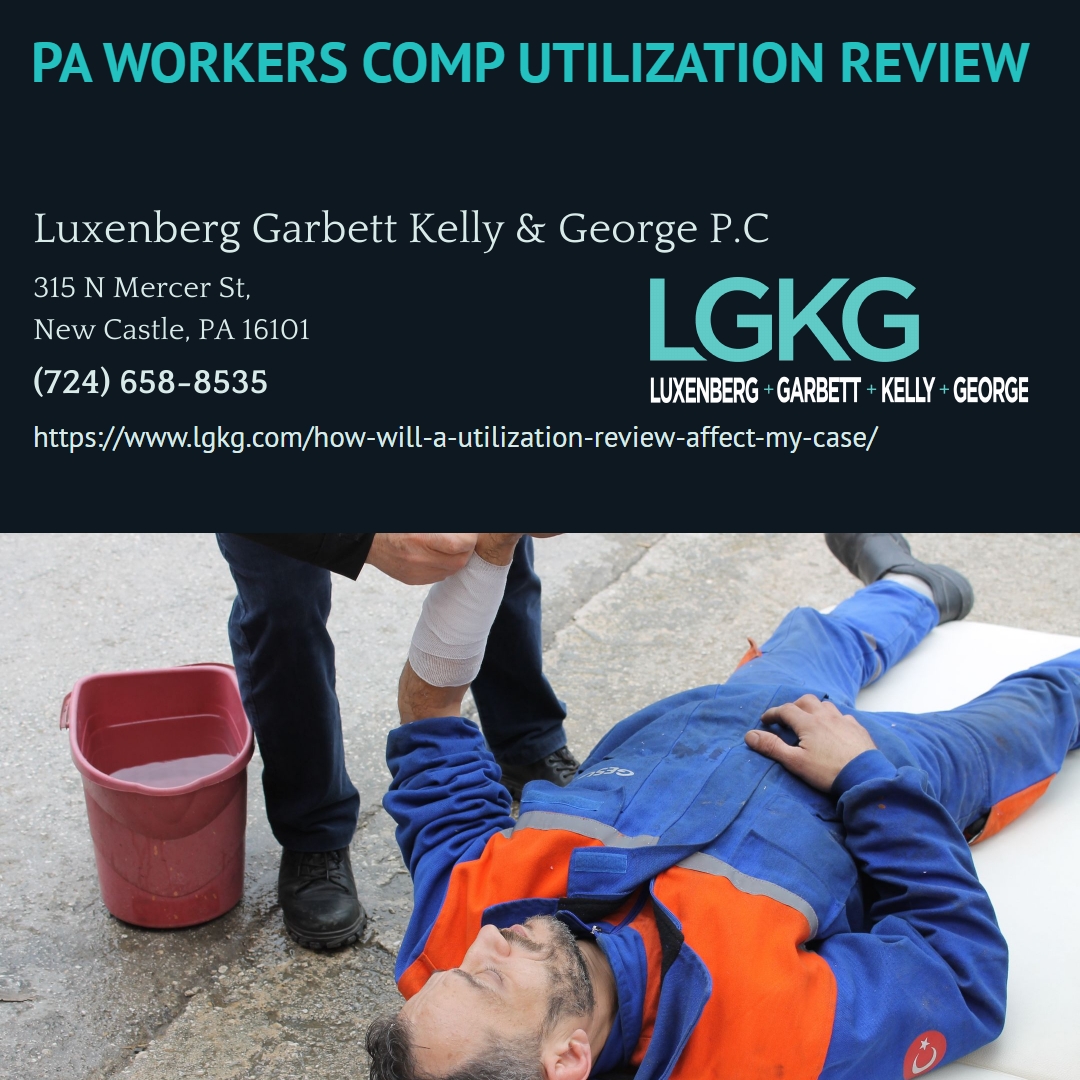
NEW CASTLE, PA – October 07, 2026 – Injured workers in Pennsylvania who face delayed or disputed medical treatment often encounter a process known as a utilization review, which can determine whether particular care is reasonable and necessary for a work injury. New Castle workers’ compensation attorney Lawrence M. Kelly of Luxenberg Garbett Kelly & George P.C. (https://www.lgkg.com/how-will-a-utilization-review-affect-my-case/) has released guidance explaining what a utilization review is, who may request one, and how it can influence access to care and the direction of a claim.
A utilization review evaluates whether medical treatment for a work-related injury or illness is reasonable and necessary. According to New Castle workers’ compensation attorney Lawrence M. Kelly, the process is authorized by Section 306(f.1)(6) of the Pennsylvania Workers’ Compensation Act and administered by the Health Care Services Review Division under Chapter 127 of the Medical Cost Containment Regulations. “A utilization review focuses on the specific treatment being challenged, not on the entire claim,” Kelly explains. “An unfavorable determination on treatment does not decide every issue in a case.”
The review examines whether the identified provider’s past or proposed treatment is appropriate for the accepted work injury. As New Castle workers’ compensation attorney Lawrence M. Kelly points out, that medical-treatment question is narrower than whether a worker and injury satisfy Pennsylvania’s eligibility rules, so an adverse result should not be described as resolving the entire matter. The outcome can affect payment for the disputed treatment or lead to a petition before a workers’ compensation judge.
A utilization review may be requested by or on behalf of the employer, the insurer, or the employee, though health care providers are not permitted to file such requests. Kelly notes that Pennsylvania enforces strict deadlines, including a 30-day window for an employer or insurer seeking retrospective review to file after receiving both the bill and the medical report for the disputed treatment. All requests must be filed online through the Workers’ Compensation Automation and Integration System, and the employer or insurer pays the reasonable and customary review charge even when the employee initiates the process.
There are three types of utilization reviews. A prospective review evaluates proposed treatment before it begins, a concurrent review examines whether ongoing care remains necessary, and a retrospective review assesses treatment after services have been provided. Attorney Kelly emphasizes that the type of review depends on where the disputed treatment stands in the care process.
Once a request is filed, the Bureau of Workers’ Compensation assigns it to an authorized Utilization Review Organization, which assigns the file to a reviewer who must be licensed in the same profession and specialty as the provider under review. “The record should clearly show the diagnosis, treatment plan, clinical findings, and the worker’s response to care,” Kelly advises. A request is considered complete when the review organization receives the medical records or 35 days pass from the notice of assignment, whichever comes first, and the organization then has 30 days to render a determination.
The firm’s attorneys explain that a utilization review can affect the pace of care and the direction of a claim. If the review concludes that treatment does not meet the reasonableness-and-necessity standard, the insurer may suspend payment for that disputed treatment while the process proceeds. Pennsylvania law bars a provider from holding an injured worker personally liable for costs connected with covered care for a compensable work injury, but payment disputes can still affect access to prescriptions, follow-up care, and other treatment.
If a utilization review denies treatment, the injured worker has the right to challenge the decision by filing a Petition for Review of a Utilization Review Determination, which is heard by a workers’ compensation judge rather than the review organization or the insurer. Attorney Kelly highlights that the petition must be filed within 30 days after receipt of the determination, making prompt review of the report essential for workers in Lawrence County and across Pennsylvania. At the hearing, both sides may submit additional medical evidence for the judge to weigh.
Kelly observes that a utilization review does not calculate or directly decide wage-loss benefits. He recommends that injured workers keep a separate record of days missed, written work restrictions, post-injury earnings, and each benefit check so that a treatment dispute does not obscure a payment problem. Weekly workers’ compensation payments are based on wage and disability rules, even though delayed or denied treatment can affect recovery and return-to-work planning.
For those facing delayed or denied treatment during a workers’ compensation claim, contacting an experienced workers’ compensation attorney may help identify the medical support needed and ensure a timely response before applicable deadlines.
About Luxenberg Garbett Kelly & George P.C.:
Luxenberg Garbett Kelly & George P.C. is a New Castle-based law firm that assists injured workers throughout Lawrence County, Western Pennsylvania, and across the Commonwealth, including Allegheny County. Led by attorneys such as Lawrence M. Kelly and Joseph A. George, the firm focuses on workers’ compensation and personal injury matters, including disputed medical treatment and utilization review claims. The office is located at 315 N Mercer St, New Castle, PA 16101. For consultations, call (724) 658-8535.
Embeds:
Youtube Video: https://www.youtube.com/watch?v=vNfjWy3Zxto
GMB: https://www.google.com/maps?cid=1349618312503922919
Email and website
Email: [email protected]
Website: https://www.lgkg.com/
Media Contact
Company Name: Luxenberg Garbett Kelly & George P.C.
Contact Person: Lauren Kelly Gielarowski
Email: Send Email
Phone: (724) 658-8535
Address:315 N Mercer St, New Castle, PA 16101
City: New Castle
State: Pennsylvania
Country: United States
Website: https://www.lgkg.com/


