
What is the Difference Between Wet Pressed and Dry Pressed Molded Fiber Packaging?
Guangzhou City, Guangdong Province, China-September 14,2026
The Golden Rule: Functional Cushioning vs. Precision Aesthetics
Molded pulp (molded fiber) packaging is manufactured under two primary technological routes: Dry Pressing and Wet Pressing. While both originate from renewable plant fiber slurries, their thermomechanical manufacturing parameters, dimensional tolerances, tactile finishes, and cost structures diverge substantially.
The Core Distinction at a Glance
Dry Pressed Molded Fiber prioritizes low-cost, superior shock absorption, high bulk cushion, and rougher surfaces—making it the undisputed standard for protective inner dunnage and industrial logistics.Wet Pressed Molded Fiber (Thermoformed) leverages high-precision in-mold drying to achieve high density, micron-level tolerances, rigid structure, and ultra-smooth finishes—positioning it as the premium replacement for thermoformed plastics in luxury presentation and consumer electronics.
0.6–1.2mmWet Press Wall Thickness2.0mm+Dry Press Wall Thickness100%Biodegradable & Plastic-Free±0.2mmWet Press CNC PrecisionManufacturing ThermomechanicsStep-by-Step Engineering Process Comparison
The fundamental physical differences between dry press and wet press originate from whether water de-watering and fiber solidifying occur inside or outside the mold tooling cavity.
Dry Press Process Flow (Transfer Molding)
Dry pressing is a traditional multi-stage process where initial moisture removal and final shape consolidation are decoupled into two distinct thermodynamic phases.
1Slurry Suction & Wet Preform Molding
Natural fiber slurry (typically recycled paper, OCC, or newspaper) is deposited onto open wire-mesh forming molds via vacuum aspiration, creating a wet fiber preform (approx. 70-75% moisture content).
2External De-molding & Tunnel Oven Drying
The wet preform is mechanically ejected from the tool and transferred into a high-temperature conveyor drying tunnel or ambient drying yard. During this free-drying state, uncontrolled fiber shrinkage and micro-warping occur.
3Secondary Hot-Press Calibration
The dried, irregular part is placed into a hot-press calibration mold for final edge trimming and planar flattening, resulting in one relatively flat side and one coarse mesh-textured side.
- Thermal Exposure: External tunnel drying without mold containment
- Cycle Constraints: High dependence on ambient temperature & drying energy
- Fiber Shrinkage: Free-state shrinking results in wider dimensional variance
Wet Press Process Flow (Thermoformed In-Mold)
Wet pressing (Thermoforming) is an integrated, high-precision automated procedure where dewatering, hot compression, and structural curing occur seamlessly within closed matched metal tooling.
1High-Density Slurry Vacuum Forming
Refined virgin plant pulp (sugarcane bagasse, bamboo, or bleached wood pulp) is drawn onto CNC-machined micro-porous tools with high uniformity and precise fiber matrix dispersion.
2In-Mold Robotic Direct Transfer
Without de-molding to an open environment, mechanical transfer arms directly convey the wet preform into high-pressure matched heated steel/aluminum molds.
3Simultaneous Hot Pressing, Dewatering & Polishing
Under hydraulic pressures (up to 15-30 kg/cm²) and temperatures (180°C–230°C), moisture is flash-evaporated and vented through micro-ports. Both surfaces are ironed to mirror-smooth perfection.
- Thermal Exposure: 100% In-mold curing under high hydraulic clamping force
- Process Stability: Closed-loop robotic automation, immune to weather
- Fiber Shrinkage: Constrained within mold cavity, ensuring micron-level accuracy
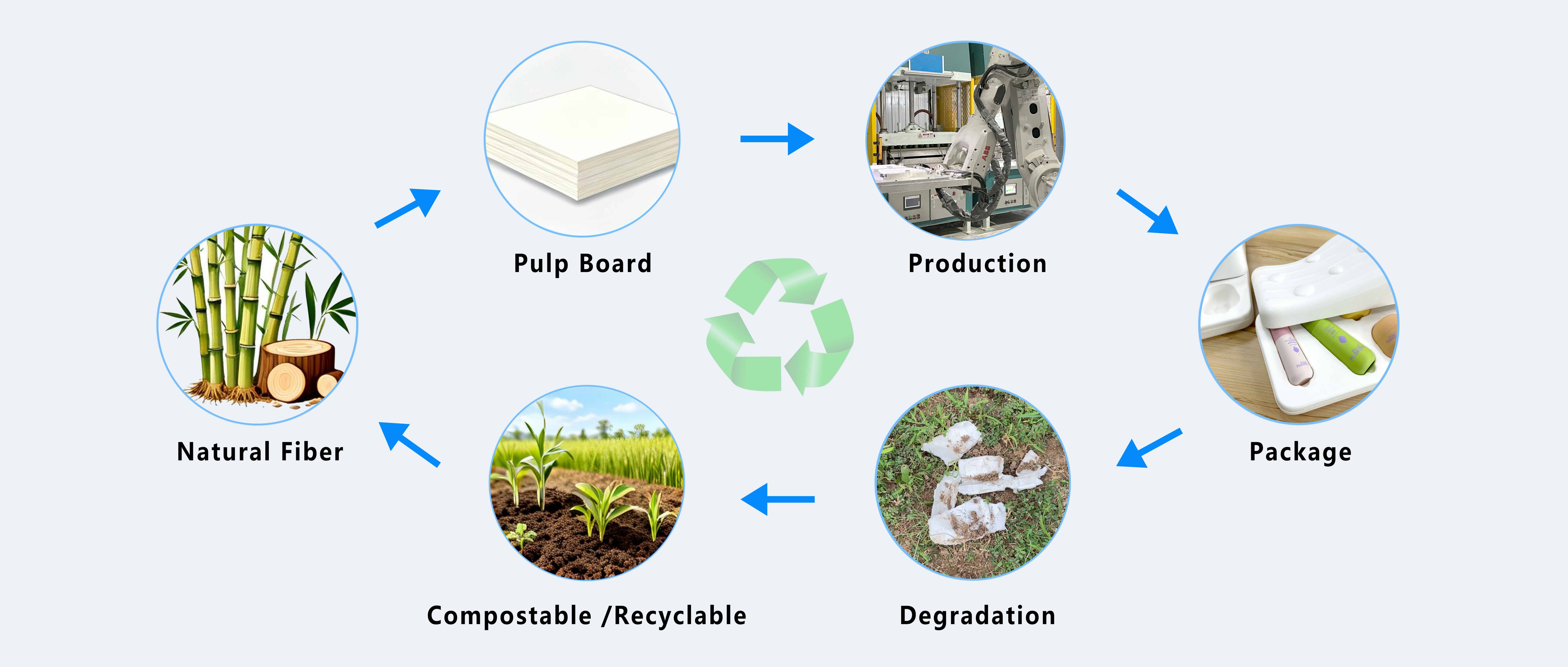 Figure 1: High-precision automated thermoforming production line for wet pressed molded fiber packaging.Technical BenchmarkingPhysical & Mechanical Properties Comparison Matrix
A comprehensive, side-by-side engineering evaluation highlighting critical structural, dimensional, and aesthetic parameters between dry pressed and wet pressed fiber packaging.
| Comparison Dimension | Dry Pressed Molded Fiber (Type 2) | Wet Pressed Molded Fiber (Type 3 / 4) | Impact on Design & Performance |
|---|---|---|---|
| Wall Thickness Range | Typically 2.0mm – 5.0mm (can be thicker) | Precision 0.6mm – 1.2mm (ultra-thin profile) | Wet press saves up to 40% inner box volume, lowering shipping freight. |
| Apparent Density | Low: 0.6 – 0.8 g/cm³ (Porous, airy) | High: 0.8 – 1.2 g/cm³ (Compact, rigid) | High density gives wet press a plastic-like rigidity and tensile modulus. |
| Surface Quality & Texture | Front is semi-smooth, back is rough with mesh marks; prone to flaking and fiber shedding. | Both sides are silky-smooth, mirror-polished, crisp edges with zero fiber shedding. | Wet press eliminates scratching on delicate electronic screens & cosmetics. |
| Flexural Rigidity & Stiffness | Moderate flexural stiffness; soft structure reliant on thick ribs. | Exceptional structural rigidity with thin wall integrity and high stiffness. | Wet press yields crisp unboxing tactile response matching thermoformed APET. |
| Equilibrium Moisture Content | ≤ 14% (Subject to ambient humidity absorption) | ≤ 10% – 12% (Highly stable post-curing) | Lower moisture reduces warping and microbial risks during transit. |
| Cushioning & Shock Absorption | Outstanding Bulky porous fiber matrix excels at multi-drop deceleration. | Moderate Rigid walls transfer impact; requires geometric collapse chambers. | Dry press is superior for heavy logistics drops (appliances, machinery). |
| Cleanliness & Particulate Count | Lower cleanliness; loose surface fibers can contaminate electronics or optics. | Medical / Food Grade Dust-free, lint-free, zero loose fibers. | Wet press requires no protective plastic bags for high-end digital devices. |
| Dimensional Tolerance | Broad tolerances: ±1.0mm to ±2.5mm | Micron precision: ±0.15mm to ±0.3mm | Wet press allows tight interference fits with phone chassis and gift box lips. |
Dry Press Micro-Structure
Fiber networks form loosely bonded capillary matrices during open-tunnel drying, resulting in lightweight, high shock-absorbing air pockets ideal for kinetic dampening.
 Wet Press Micro-Structure
Under 200°C thermoforming compression, cellulose hydrogen bonds undergo intense cross-linking, generating a dense, non-porous sheet similar to solid bleached sulfate paperboard.
 Financial & Supply Chain EconomicsCost Structure, Tooling Investment & Production Scalability
Balancing initial tooling CapEx against individual unit OpEx is vital for supply chain decision-makers. Explore how production volumes dictate the financial break-even point.
| Economic Parameter | Dry Pressed Molded Fiber | Wet Pressed Molded Fiber | Procurement Recommendation |
|---|---|---|---|
| Initial Tooling (CapEx) | Low: $800 – $2,500 per tool set (Machined cast iron / epoxy / wire mesh) | High: $4,000 – $15,000+ per tool set (Multi-cavity CNC aviation aluminum / copper alloy) | Dry press enables low-risk rapid prototyping and low-volume pilot batches. |
| Unit Cost (OpEx) | Very Low (Fast raw material slurry, cheaper energy) | Higher: 2.0x – 3.5x higher unit cost compared to dry press | Wet press is financially justified for high-margin, luxury, or electronics goods. |
| Production Cycle Time | Fast forming cycle (15–25s per transfer cycle, bulk tunnel drying) | Longer in-mold dwell time (40–90s curing under heat and hydraulic vacuum) | Dry press provides higher output per machine hour for massive runs. |
| Production Stability | Weather-sensitive; high humidity can slow down external drying processes. | Fully temperature-controlled in-mold automated environment; 100% stable all year. | Wet press guarantees zero seasonal dimensional drift or batch variations. |
| Minimum Order Quantity (MOQ) | Low: Flexible starting from 2,000 – 5,000 units | High: Typically 10,000 – 50,000+ units to amortize tooling setups | Wet press requires substantial project scale to optimize unit economics. |
Rapid Iteration
Dry press tooling modifications are fast and economical. Ideal for industrial OEMs iterating physical component geometries across multiple quarterly revisions.
Precision Scale
Wet press tooling carries high CNC machining costs but guarantees millions of identical parts with pristine surface fidelity and zero tool deformation.
Total Cost of Ownership
While wet press unit costs are higher, eliminating plastic film laminations and reducing outer shipper box dimensions often produces net logistical cost savings.
Industrial Engineering & DFMDesign Freedom, Draft Angles & Aesthetic Geometries
Designing for Molded Fiber (DFM) demands understanding the mechanical constraints imposed by fiber slurry drainage, mold closure kinetics, and part release mechanisms.
Dry Press Design Constraints
Because dry press parts shrink unpredictably in drying tunnels without internal core support, structural shapes must remain forgiving and geometry must accommodate thermal movement.
- Draft Angles: Requires generous draft angles of 3.5° to 7.0° to allow safe ejection of bulky preforms.
- Corner Radii: Minimum internal/external radii of R3.0mm – R5.0mm; impossible to achieve sharp, knife-edge boundaries.
- Cavity Depth & Ribbing: Best for shallow or stepped cavities with thick reinforcing ribs to counteract warping.
- Embossing / Debossing: Shallow debossing only; fine micro-text or high-resolution logos blur due to coarse fiber matrix and wire mesh weave.
Wet Press Design Freedom
Thermoformed wet pressing matches the aesthetic and geometric freedom of plastic thermoforming (APET/HIPS) and injection molding.
- Draft Angles: Extremely steep draft angles possible, down to 0.5° to 1.5°, maximizing inner packing volume.
- Corner Radii: Ultra-crisp, tight radii down to R0.5mm – R1.0mm for sharp, modern aesthetic silhouettes.
- Intricate Cavities & Undercuts: Capable of deep draws, multi-level stepped trays, snap-fit tabs, and zero-clearance component retention.
- Laser Texture & Micro-Embossing: Ultra-fine high-definition logos, micro-engraved QR codes, and matte or high-gloss mold textures faithfully transferred directly to the fiber surface.
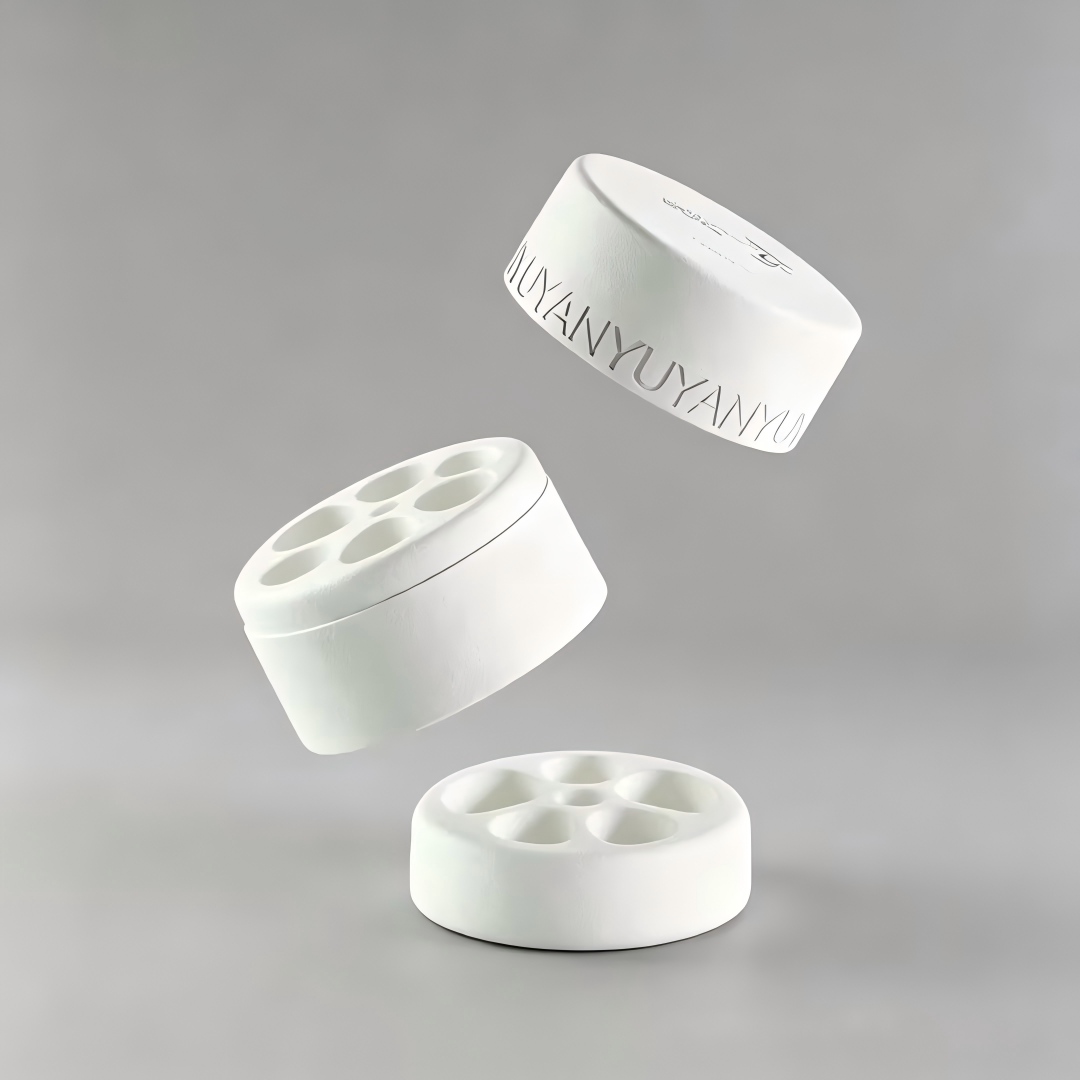
 Figure 2: Wet pressed thermoformed pulp packaging engineered with micro-tolerances for luxury unboxing experiences.Circular Economy & ESG ComplianceEnvironmental Lifecycle, Raw Material Sourcing & PFAS-Free Standards
Both dry and wet pressed packaging represent 100% biodegradable, renewable, and circular alternatives to expanded polystyrene (EPS), thermoformed plastic blisters, and polyurethane foams.
Renewable Fiber Feedstocks
Both technologies utilize circular agricultural residues and industrial pulps:
- Sugarcane Bagasse: Fast-growing agricultural by-product offering clean, bright white aesthetics.
- Bamboo Pulp: High tensile fiber matrix providing exceptional rigidity and shock resistance.
- Recycled OCC / Newsprint: Post-consumer recycled waste (predominantly in dry pressing).
- Wood Pulp (FSC-Certified): Pure virgin fibers providing consistent elongation and forming strength.
End-of-Life Biodegradability
Molded fiber re-integrates into the biological nutrient cycle naturally:
- Home & Industrial Composting: 100% compostable within 60–90 days (compliant with EN 13432 / ASTM D6400).
- Curbside Paper Stream Recyclable: Easily repulped in standard municipal paper recycling mills.
- PFAS-Free Formulations: Modern wet press food & cosmetic trays utilize fluorine-free water/oil-resistant bio-barrier emulsions.
Secondary Material Savings
Surface cleanliness directly impacts auxiliary packaging waste:
- Dry Press Consideration: Coarse texture can cause abrasive scuffing, occasionally requiring protective PE/PP polybags for sensitive finishes.
- Wet Press Advantage: Non-abrasive, lint-free surface contacts products directly, entirely eliminating single-use plastic wrap, protective tissue, and film laminations.
Procurement & Application PlaybookMatching Packaging Technology to Your Product Portfolio
Choose the optimal manufacturing methodology according to your product’s retail positioning, fragility index, margin structure, and unboxing performance requirements.
Dry Press ApplicationsCost & Cushion Focused
Engineered for concealed inner packaging where shock dampening, rapid high-volume manufacturing, and minimal unit cost dominate product priorities.
- Consumer Electronics & Appliances: Inner shock-absorbing corner blocks for air fryers, microwave ovens, Wi-Fi routers, power tools, and PC power supplies.
- Industrial & Automotive Components: Heavy-duty dunnage trays for automotive alternators, pumps, cast parts, and hardware fasteners.
- Agricultural & Fresh Produce: Traditional egg cartons, melon trays, avocado shippers, and protective wine bottle transit sleeves.
- Lighting & Fragile Glass: Industrial fixtures, downlight inserts, LED tube end-caps, and bulk glassware partitions.
Wet Press ApplicationsLuxury & Precision Focused
Engineered for direct-to-consumer presentation packaging where micron-accurate nesting, tactile elegance, and dust-free cleanliness are mission-critical.
- Flagship Smart Devices: Custom internal trays for smartphones, wireless earbuds, smartwatches, AR/VR headsets, and stylus pens.
- Prestige Cosmetics & Fragrance: High-end lipstick cavities, compact powder pans, luxury perfume bottle cradles, and skincare gift sets.
- Gourmet Food & Spirits: Clean-room certified disposable food service trays, luxury champagne presentation boxes, and organic tea caddies.
- Pharmaceutical & Medical Devices: Sterile instrument holders, single-use diagnostic kit trays, and pill blister secondary packaging.
About us
Esen is a purpose-driven global leader in eco-friendly molded pulp technology, committed to delivering innovative, sustainable packaging solutions that empower businesses to achieve their science-based carbon reduction targets.
Media Contact
Company Name: Guangzhou Esen Eco-Tech Co., Ltd.
Contact Person: Media Relations
Email: Send Email
Country: China
Website: https://www.eseneco.com/


