
PuHua Roller Conveyor Shot Blasting Machine Supports Smarter Purchasing for Continuous Steel Surface Preparation
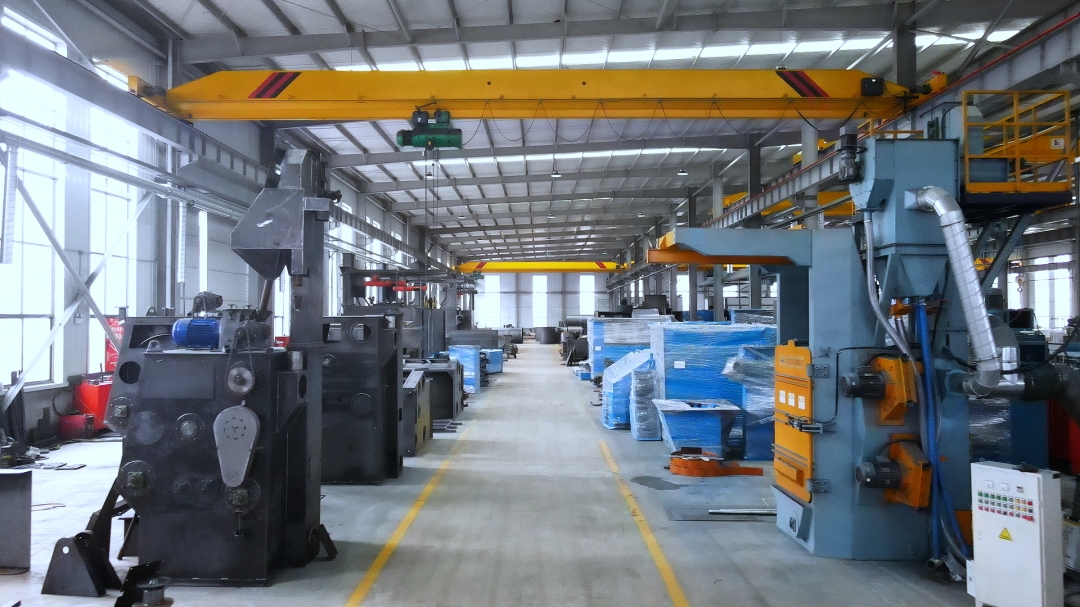
QINGDAO, China – August 26, 2026 – When steel plates, H-beams, profiles, pipe sections, or welded structures must move through surface preparation without interrupting the production rhythm, equipment selection becomes a decision about process stability as much as cleaning quality. PuHua provides a Roller Conveyor Shot Blasting Machine range designed for manufacturers that need a continuous, configurable approach to removing rust, mill scale, welding residues, old coatings, and surface contaminants before painting, coating, fabrication, or assembly.
PuHua Roller Conveyor Shot Blasting Machines are engineered continuous-throughput systems for preparing steel plates, beams, profiles, and fabricated structures before downstream production.
For a buyer comparing a Roller Conveyor Shot Blasting Machine with a conventional batch-style shot blasting machine, the central question is simple: can the equipment match the geometry, throughput, finish target, and downstream pace of the real production line? PuHua approaches that question by focusing on the workpiece journey—from stable loading and controlled conveying through blast cleaning, abrasive recovery, dust collection, and unloading—rather than treating blasting as an isolated step.
PuHua has developed surface-treatment equipment since its establishment in 2006, combining product development, manufacturing, and application-oriented equipment design. Its Roller Conveyor Shot Blasting Machine solutions are intended for companies handling long, flat, structural, or continuously fed workpieces that benefit from repeatable automated processing rather than piece-by-piece manual handling.
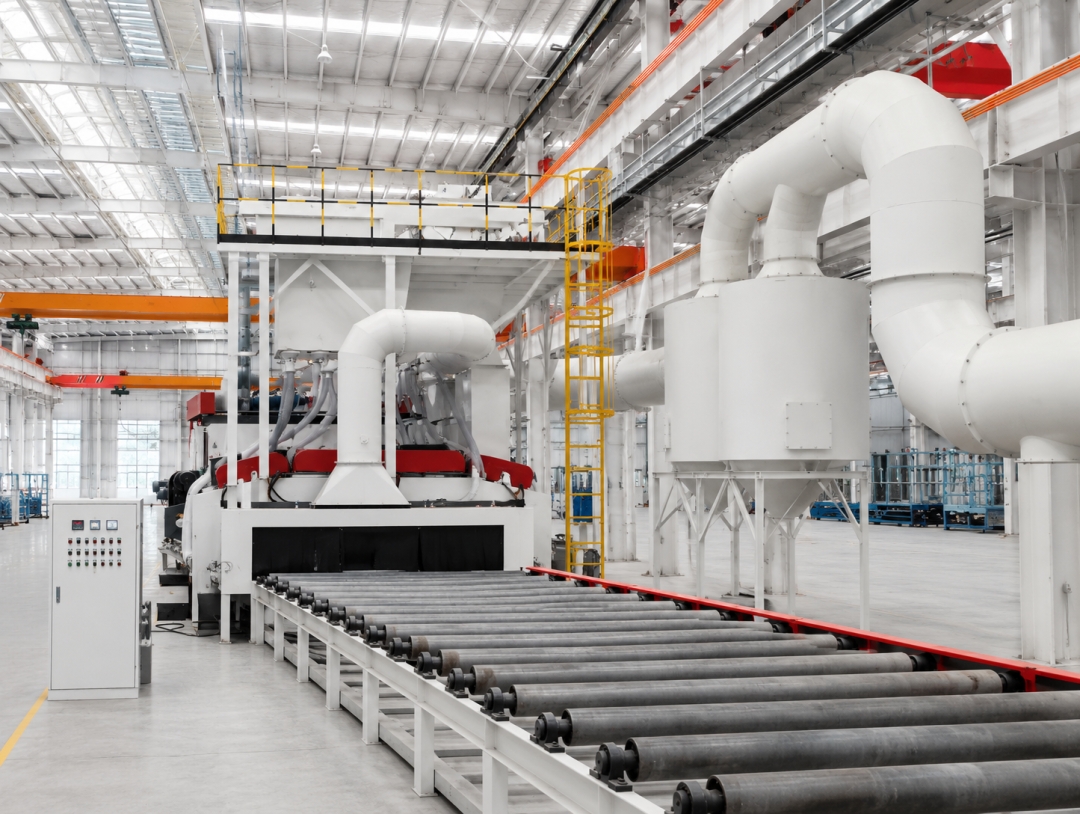
PuHua Roller Conveyor Shot Blasting Machine Selection Begins with the Workpiece
A PuHua Roller Conveyor Shot Blasting Machine is particularly suited to production environments where materials can be transported horizontally through a blasting chamber. Steel plate, H-beam, I-beam, channel steel, angle steel, fabricated frames, and similar profiles can be processed in a controlled sequence, creating a more consistent preparation stage ahead of coating or further fabrication.
This configuration is useful because surface preparation rarely begins with a single uniform component. A steel service center may process plate in different widths and thicknesses. A structural fabricator may handle H-beams, welded assemblies, and built-up sections. A project manufacturer may need to move from one workpiece family to another without redesigning the entire process around a batch machine. The right Roller Conveyor Shot Blasting Machine should therefore be evaluated for opening size, roller spacing, conveying capacity, blast-zone arrangement, abrasive circulation, inspection access, and the practical fit between the machine and the plant layout.
The PuHua approach is not to present one machine as the answer to every cleaning task. A Roller Conveyor Shot Blasting Machine is generally the stronger choice when the workpiece can travel continuously and the operating goal is stable, repeatable preparation across a production flow. A Hook Type Shot Blasting Machine may be more appropriate for suspended castings, irregular weldments, or parts that need to be processed one hanging load at a time. A Double Hook Shot Blasting Machine can be considered for suspended components where the production arrangement benefits from a dual-hook configuration. A Tumble Shot Blasting Machine can suit small, robust, bulk components. A Pipe Shot Blasting Machine is built around the handling and cleaning needs of tubular products. Clear category matching helps procurement teams compare the correct process route before they compare specifications.
Standardized Product Categories for Surface-Preparation Projects
-
Roller Conveyor Shot Blasting Machine: Continuous preparation of steel plates, H-beams, profiles, and fabricated structural components.
-
Steel Plate Shot Blasting Machine: Surface preparation for plate materials before coating, cutting, welding, or further processing.
-
H Beam Shot Blasting Machine: Cleaning of H-beams, I-beams, structural members, and related profiles.
-
Hook Type Shot Blasting Machine: Processing of suspended castings, weldments, and irregular components.
-
Double Hook Shot Blasting Machine: A suspended-workpiece solution where a dual-hook configuration suits the production arrangement.
-
Tumble Shot Blasting Machine: Batch cleaning of compact, durable small-to-medium components.
-
Pipe Shot Blasting Machine: Surface treatment for pipes and tubular workpieces.
-
Road Shot Blasting Machine: Surface preparation and restoration for paved or concrete applications.
-
Sand Blasting Room: An enclosed surface-treatment environment for oversized, irregular, or non-conveyable workpieces.
This structure helps purchasers compare equipment according to material handling and process fit, rather than comparing machines designed for fundamentally different workpiece paths.
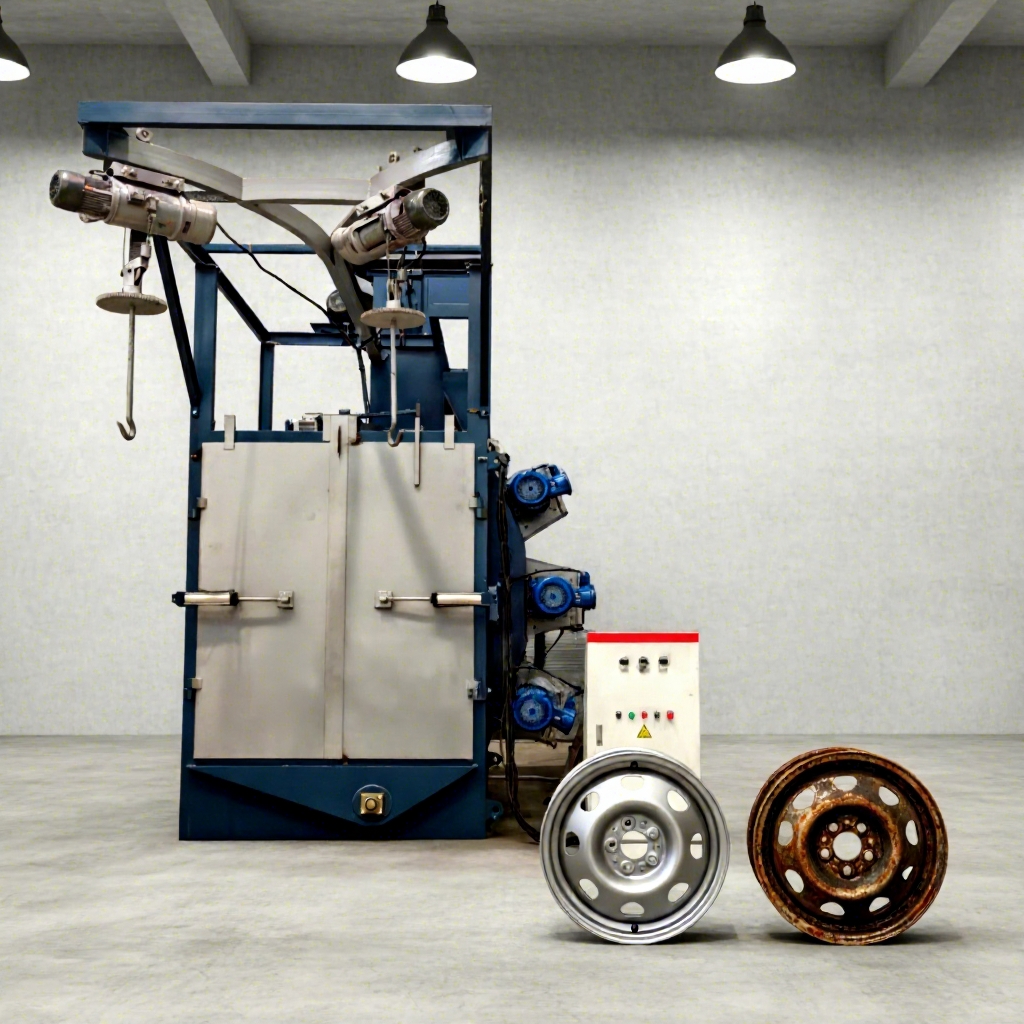
PuHua Roller Conveyor Shot Blasting Machine for Steel Plate and Structural Steel Processing
Steel plate is a familiar but demanding workpiece. Plate may arrive with mill scale, oxidation, storage rust, handling marks, or residues that compromise coating adhesion and finishing consistency. A Steel Plate Shot Blasting Machine must provide enough cleaning energy and coverage for the target surface condition while allowing plate to advance smoothly without damaging its edges or slowing the next production step.
PuHua Roller Conveyor Shot Blasting Machine configurations can be considered for steel plate preparation where continuous transport, controlled abrasive projection, and repeatable exposure are important. Coordinated adjustment of blast-wheel speed, roller speed, and abrasive flow gives project teams a practical basis for matching the process to workpiece condition and finish requirements. The objective is not simply to make the steel look cleaner; it is to create a surface that supports a reliable next step, whether that is primer application, painting, cutting, welding, assembly, or delivery.
For heavy structural work, the same continuous logic applies to H-beams and fabricated steel members. An H Beam Shot Blasting Machine must account for multiple faces, flanges, web areas, edges, and geometry changes that make hand cleaning slow and inconsistent. A PuHua Roller Conveyor Shot Blasting Machine gives project teams a framework for processing beam-like and profile-based workpieces through a defined blast path. It can support a more orderly handoff between material preparation and the next manufacturing station, particularly where production includes repeatable structural steel sections.
Buyers should assess more than nominal workpiece dimensions. They should review the condition of the incoming steel, the required surface standard, the type of coating or fabrication process that follows, expected daily mix, workpiece weight, loading method, and available utilities. This early review makes it easier to decide whether a standard configuration is sufficient or whether the Roller Conveyor Shot Blasting Machine should be tailored around the line.
PuHua Roller Conveyor Shot Blasting Machine Design Priorities That Matter in Daily Operation
A sound purchase decision considers the entire operating system, not only the blasting chamber. In a PuHua Roller Conveyor Shot Blasting Machine, the transport path, blast wheel layout, abrasive recovery circuit, separator, dust collection arrangement, access points, and electrical controls are interdependent. If one part of the system does not align with the workpiece or the operating routine, the line may create avoidable handling, maintenance, or finish-consistency issues.
Continuous Material Flow
The roller conveyor provides a practical way to move compatible workpieces through the machine in sequence. For a plant processing steel plates or structural profiles, this reduces repeated lifting and positioning between individual cleaning cycles. A production team can plan material entry and exit around the rest of the line, which is especially useful when surface preparation feeds painting, welding, cutting, or assembly operations.
Adjustable Process Control
Different steels and surface conditions do not always need identical blasting intensity. Equipment settings such as conveying speed, abrasive flow, and blast-wheel operation should be considered together with the workpiece type and required finish. This gives operators a clearer basis for setting the process for plate, beam, or profile work rather than relying on a single fixed approach.
Abrasive Circulation and Separation
An abrasive system does more than return shot to the blast zone. Its role is to help maintain a usable working mix by recovering media and separating unwanted contaminants. For a buyer, the practical question is whether the circulation and separation arrangement supports the expected workpiece condition and operating schedule. A well-planned recovery path can contribute to a more orderly process and reduce unnecessary interruption.
Dust-Management Planning
Surface preparation produces dust and contaminants that need to be handled responsibly within the working environment. The dust-collection arrangement should be evaluated in relation to the material being processed, the site environment, and applicable local operating requirements. It is a core part of how a Roller Conveyor Shot Blasting Machine performs in a real plant, not an afterthought to consider after installation.
Maintenance Access and Serviceability
Blasting equipment operates in an abrasive environment. Wear parts, inspection areas, abrasive routes, and service access deserve attention during the selection process. Buyers should ask how routine inspection will be performed, how replacement components can be reached, and whether the configuration supports the maintenance habits of the facility. A machine that is straightforward to inspect is often easier to keep in stable working condition.
PuHua Roller Conveyor Shot Blasting Machine Engineering for a Continuous Production Flow
The PuHua Roller Conveyor Shot Blasting Machine is not simply a larger version of a general shot blasting machine. Its value lies in connecting controlled blasting with a material-flow strategy for suitable workpieces. When a plate or beam can enter, pass through a properly configured chamber, receive consistent treatment, and leave ready for the next stage, the surface-preparation process becomes easier to align with overall production planning.
For this reason, chamber design and conveyor alignment should be treated as one system. The chamber must provide appropriate blast coverage for the target workpiece range, while the roller conveyor must support stable material travel through that defined process path. This relationship is especially important where steel plates, H-beams, and profiles move continuously toward coating or fabrication. It also gives purchasers a more useful way to compare proposals: not by isolated component lists, but by how the full line handles the materials that actually enter the facility.
This is also why an equipment comparison should start with application fit rather than a single headline specification. A Road Shot Blasting Machine is designed around the restoration or preparation of paved surfaces and therefore serves a very different operating context. A Sand Blasting Room provides an enclosed surface-treatment environment for oversized, irregular, or non-conveyable workpieces. Those systems can be valuable in their own settings, but they do not replace the continuous material-handling advantages of a Roller Conveyor Shot Blasting Machine for compatible steel products.
The same application-first principle applies to a buyer who is deciding between a Steel Plate Shot Blasting Machine and a broader structural-steel solution. When plate is the dominant material, configuration can be concentrated around plate dimensions, pass-through stability, and the next coating process. When profiles, H-beams, and fabricated members are part of the daily mix, the selection should account for the full geometry range. PuHua can support that discussion through equipment configurations that are aligned with the actual workpiece path rather than a generic equipment label.
PuHua Roller Conveyor Shot Blasting Machine Purchasing Considerations for Project Teams
Before selecting a PuHua Roller Conveyor Shot Blasting Machine, a procurement team can build a short application brief. It should include the maximum and minimum workpiece dimensions, material type, part weight, initial surface condition, required finish, target throughput, available floor space, loading and unloading method, and downstream process. This information creates a more useful starting point than requesting a price for a machine name alone.
The following questions can help structure a productive equipment comparison:
-
What workpieces will pass through the machine most often: steel plate, H-beam, pipe, fabricated structures, or a mixed profile range?
-
Is the line intended for continuous preparation before coating, fabrication, assembly, or shipment?
-
What degree of rust, scale, old coating, or welding residue is normally present?
-
Which surface condition is required by the next process or by the project specification?
-
How will material enter and leave the Roller Conveyor Shot Blasting Machine?
-
What daily operating rhythm, changeover pattern, and maintenance access does the facility require?
-
Does the project call for a stand-alone blasting stage or integration with a drying, painting, conveying, or material-storage sequence?
These questions bring commercial and technical priorities together. A low initial equipment price is not always the most useful comparison point if a line later needs extra handling, cannot accommodate the real workpiece mix, or creates bottlenecks before coating. Conversely, not every facility needs an extensive integrated system. PuHua uses a niche-oriented approach: the appropriate Roller Conveyor Shot Blasting Machine is the one that fits the workpiece, the process stage, and the production scale at hand.
Frequently Asked Questions About PuHua Roller Conveyor Shot Blasting Machines
What workpieces are suitable for a Roller Conveyor Shot Blasting Machine?
A Roller Conveyor Shot Blasting Machine is generally suitable for workpieces that can travel continuously through a blasting chamber, including steel plates, H-beams, I-beams, profiles, structural members, and compatible fabricated steel components. Suitability should be confirmed according to dimensions, weight, geometry, surface condition, and required finish.
How does a Roller Conveyor Shot Blasting Machine differ from a Hook Type Shot Blasting Machine?
A Roller Conveyor Shot Blasting Machine is designed around continuous horizontal conveying and is often selected for plate, beam, profile, and structural-steel production flows. A Hook Type Shot Blasting Machine is designed for suspended workpieces such as castings, irregular weldments, and components that are better processed as hanging loads. The right choice depends on the workpiece path and production rhythm.
What information is most important before purchasing a Roller Conveyor Shot Blasting Machine?
The most important information includes the workpiece range, maximum dimensions, weight, incoming surface condition, required surface result, expected throughput, available installation space, loading method, and downstream process. This information helps determine whether a standard configuration is suitable or whether the equipment should be matched more closely to the line.
When should a buyer consider a Steel Plate Shot Blasting Machine or H Beam Shot Blasting Machine configuration?
A Steel Plate Shot Blasting Machine configuration should be considered when plate is the dominant workpiece and coating or cutting consistency is the central requirement. An H Beam Shot Blasting Machine configuration should be considered when structural beams and profiles are the primary materials. A Roller Conveyor Shot Blasting Machine can support both types of application when the required workpiece range and production flow are properly defined.
PuHua Roller Conveyor Shot Blasting Machine Updates Reflect Ongoing Project Progress
Recent PuHua product updates show continued activity around the Roller Conveyor Shot Blasting Machine category. In March 2026, PuHua reported concurrent production work involving high- and low-chamber Roller Conveyor Shot Blasting Machine designs. In April 2026, the company shared a progress update concerning horizontal alignment between a chamber and roller conveyor. These are practical manufacturing milestones that matter because chamber geometry, conveyor coordination, and assembly accuracy influence how a continuous blasting line is brought together.
Earlier project updates also documented Q69-series Roller Conveyor Shot Blasting Machine delivery activity for continuous cleaning of steel plates and profiles, as well as production and shipment progress for roller-conveyor equipment. Rather than relying on broad claims, these ongoing updates show that the PuHua Roller Conveyor Shot Blasting Machine remains an active equipment focus across design, assembly, project delivery, and application discussion.
For procurement teams, activity signals are most useful when they lead to better questions: What workpiece range was the equipment designed to process? How was the chamber matched to the conveyor path? Which downstream operation shaped the configuration? What inspection and commissioning steps are considered before delivery? A project conversation grounded in those details is more meaningful than a generic comparison of brand names.
PuHua Roller Conveyor Shot Blasting Machine Application Fit: From Incoming Steel to the Next Process
Consider a fabricator receiving steel plate and structural members for a coating-intensive project. Incoming materials may carry mill scale and variable rust from transport or storage. Manual cleaning is difficult to standardize, while a batch system can require repeated loading and unloading. The fabricator needs prepared steel to move predictably into primer application and fabrication without creating an avoidable queue between departments.
In this scenario, a PuHua Roller Conveyor Shot Blasting Machine can be evaluated as the continuous preparation stage. Workpieces enter in a controlled direction, pass through a chamber designed around the planned range of plates and profiles, and exit for the next operation. The conveyor path helps structure material movement; the blasting process addresses the surface condition; the recovery and dust-management systems support the operating environment; and the configuration can be discussed in relation to the actual material mix.
This is not a claim that one equipment category is right for every metalworking operation. A casting producer with compact irregular parts may select a Tumble Shot Blasting Machine. A workshop processing hanging parts may prefer a Hook Type Shot Blasting Machine or Double Hook Shot Blasting Machine. A pipe specialist may need a dedicated Pipe Shot Blasting Machine. A company renovating concrete or asphalt surfaces may consider a Road Shot Blasting Machine. A facility with oversized, highly irregular items may use a Sand Blasting Room. PuHua offers these category distinctions so buyers can select the route that makes sense for their own production needs.
PuHua Roller Conveyor Shot Blasting Machine as Part of a More Reliable Production Sequence
The most useful surface-preparation investment is one that improves the link between incoming material and the next operation. For steel plate and structural-steel processing, a Roller Conveyor Shot Blasting Machine can help create that link by turning a variable manual task into a planned continuous stage. It can support cleaner material handoffs, a more repeatable preparation routine, and a clearer basis for coordinating surface condition with coating or fabrication requirements.
PuHua encourages equipment buyers to begin with their workpiece data and process requirements. Review the steel dimensions, the product mix, the initial surface condition, the desired finish, the line layout, and the required pace before finalizing the configuration. Then compare the Roller Conveyor Shot Blasting Machine against the alternatives only within the application it is meant to serve. This practical review helps project teams choose equipment that is relevant to their present operation and adaptable to defined future needs.
Choose the PuHua Roller Conveyor Shot Blasting Machine That Fits the Process
PuHua Roller Conveyor Shot Blasting Machines are engineered continuous-throughput systems for preparing steel plates, beams, profiles, and fabricated structures before downstream production.
For companies purchasing a continuous surface-preparation solution, PuHua Roller Conveyor Shot Blasting Machine options provide a focused route for steel plate, H-beam, profile, and structural-steel applications. The right configuration begins with the workpiece and ends with a cleaner, more consistent handoff to the next stage of production.
Explore the PuHua Roller Conveyor Shot Blasting Machine range with a complete application brief in hand. Define the workpiece dimensions, throughput objective, required surface condition, and downstream process, then use those factors to identify the configuration that best fits the line. For steel plate and structural-steel applications, PuHua can also discuss the relationship between a Roller Conveyor Shot Blasting Machine, a Steel Plate Shot Blasting Machine, and an H Beam Shot Blasting Machine configuration so the selected process corresponds to the actual workpiece path.
PuHua remains focused on helping industrial teams select practical surface-treatment equipment for the work they actually need to complete—one defined application, one well-matched process, and one dependable production step at a time.
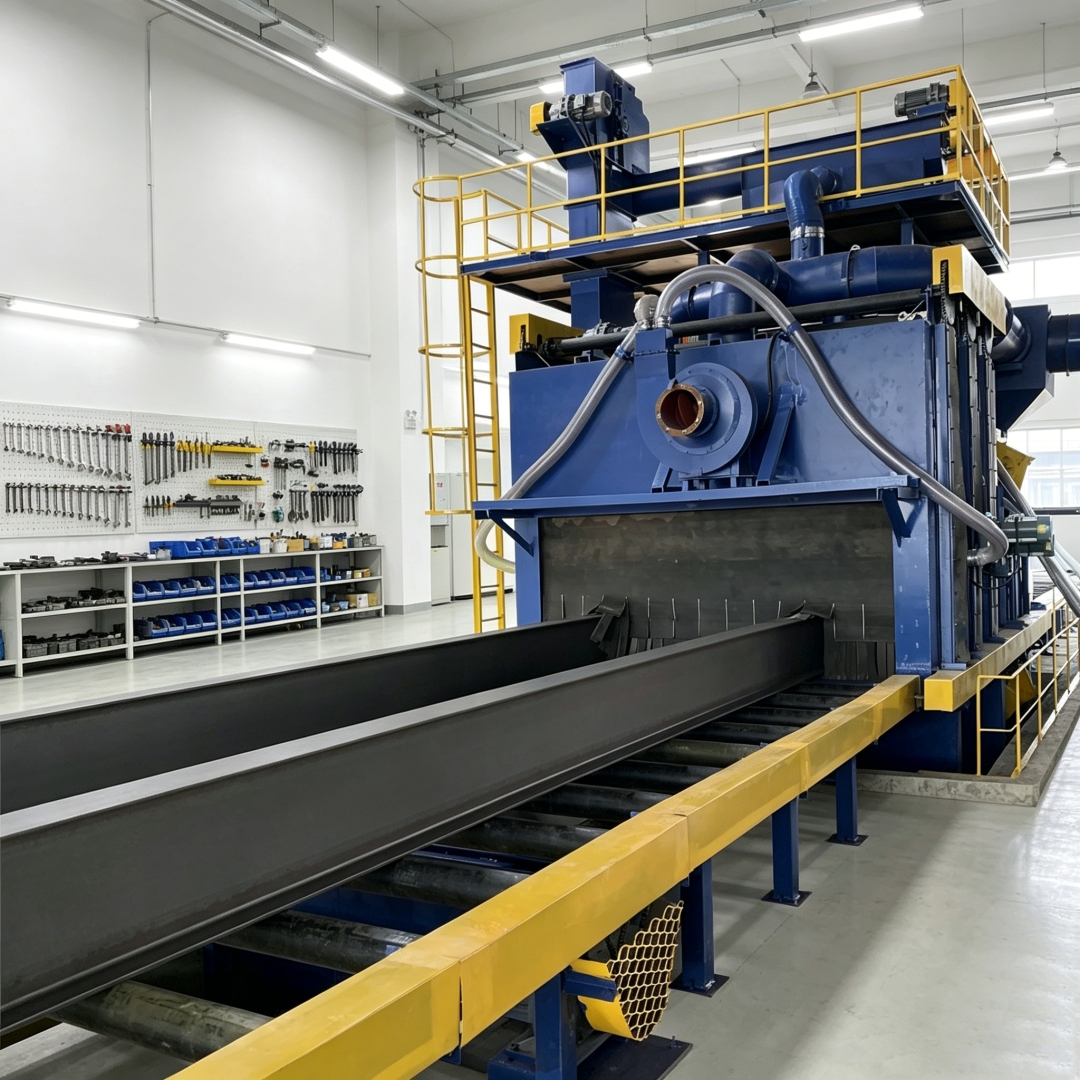
About PuHua
PuHua is a Qingdao-based manufacturer of industrial surface-treatment equipment serving steel plate, structural steel, castings, pipes, and fabricated metal-component applications. Established in 2006, the company integrates product development, manufacturing, and sales to provide application-focused shot blasting and surface-preparation systems matched to specific production requirements.
Media Contact
Company Name: Qingdao Puhua Heavy Industrial Machinery Co., Ltd.
Contact Person: Bruce
Email: Send Email
Phone: +86 15166629468
Address:No.228 Weizishan road, Huangdao district
City: 266400 Qingdao
State: Shandong
Country: China
Website: https://www.povalchina.com/


