
How to Choose the Right AC-DC Converter for Business Needs?
Picking the right Ac-Dc Converter really matters, whether you’re powering up electronic gadgets or running industrial machinery. These little devices are actually pretty important! To make the best call, it helps to understand what you really need—like, what kind of voltage and current your setup requires, and how efficient the converter is. Trust me, a good, reliable converter can make all the difference in smooth operation.A lot of folks forget to check if the converter works well with their existing equipment. That small oversight can end up causing some serious issues, like equipment failing or not functioning properly. So yeah, it’s worth paying attention to.Also, don’t forget about how the converter handles heat or its size and shape. Sometimes, a big bulky unit isn’t practical, and the design can affect how easy it is to install and use. Thinking through these little details really helps you avoid headaches later on.And hey, I get it—balancing performance and cost can be tricky. But doing a bit of research and maybe chatting with some experts can really steer you in the right direction. Choosing a subpar converter might save you some cash upfront, but it can cause all sorts of surprises later on. All in all, focusing on quality and performance usually pays off in the long run!
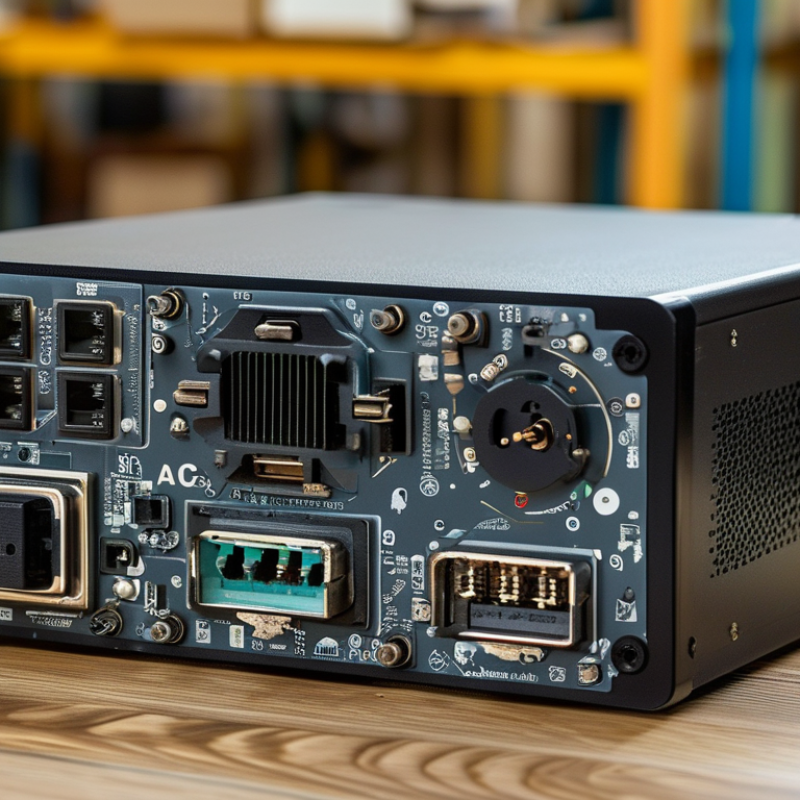
Understanding the Basics of AC-DC Converters and Their Applications
When selecting an Ac-Dc Converter, it’s essential to understand their fundamental concepts and applications. AC-DC converters are essential in many modern electronics. They convert alternating current (AC) to direct current (DC), ensuring devices receive the right Power Supply. Understanding the input voltage and desired output is critical. Different devices may require specific voltage levels, and using an incorrect converter can lead to malfunctions or damage.Applications of AC-DC converters are widespread. They are commonly used in power supplies for computers, mobile devices, and household appliances. Each application may have unique power requirements. For instance, a laptop charger typically needs a converter with a specific wattage and voltage output. Failing to match these specifications can lead to performance issues. It’s crucial to take these variables into account while choosing an AC-DC converter.One common oversight is neglecting efficiency ratings. Higher efficiency converters reduce energy loss, which is vital for sustainability. Consider thermal management as well; some converters generate heat that could impact adjacent components. Customers should weigh these factors carefully when selecting their converters. A thorough understanding of these details helps ensure reliable, long-term operation in various applications.
AC-DC Converter Efficiency Comparison
This bar chart illustrates the efficiency of different types of AC-DC converters based on their applications. It highlights the importance of selecting the right converter for your needs based on efficiency ratings in different scenarios.
Key Specifications to Consider When Selecting an AC-DC Converter
When selecting an AC-DC converter, it’s crucial to focus on key specifications. One of the most important aspects is the input voltage range. Ensure it matches your power source. Mismatched voltages can lead to inefficiency or device failure.Next, consider the output voltage and current. This defines the power your device receives. If you select a converter with inadequate current, your device may underperform. Inadequate power can also lead to overheating.Efficiency ratings should be a primary focus. A converter with high efficiency minimizes energy loss. However, manufacturers may exaggerate efficiency claims. Always verify with independent reviews or testing data. Additionally, thermal management features are vital. These will help handle excess heat produced during operations, extending the converter’s lifespan. Choosing wisely means looking closely at these critical specifications.
Evaluating Power Ratings: Wattage Requirements for Your System
Evaluating power ratings is crucial when selecting an AC-DC converter. Wattage requirements directly influence efficiency and performance. Start by calculating the total load of your system. Consider every component’s power needs. For instance, lights, fans, and other devices each consume specific wattage. Add them up to find your system’s overall requirement.Ensure the converter provides enough wattage. Underestimating can lead to underperformance or even failures. It’s essential to look for a converter that can handle a bit more than your calculations. A small buffer protects against power surges. Adjusting for these factors can safeguard your system effectively.Another aspect to consider is the quality. Efficiency ratings matter too. A high-efficiency model will waste less energy as heat. It may be more expensive initially but pays off long-term. Don’t overlook the importance of reliability in maintaining your system’s stability. Many users find themselves wishing they had invested more upfront. In the end, understanding your wattage needs deeply is vital for sound decision-making.
Understanding Efficiency Ratings and Their Impact on Performance
Efficiency ratings are critical when selecting an AC-DC converter. These ratings indicate how well a converter transforms input power into usable output. According to the U.S. Department of Energy, average efficiency levels range from 70% to over 90% in modern converters. A high efficiency means less wasted energy as heat, which can extend the converter’s lifespan and increase overall reliability.When evaluating efficiency, look for the No-Load Power Consumption figure. This measurement shows how much power the converter uses when not actively powering a device. Some converters can consume up to 0.5 watts, while more efficient models may consume as little as 0.1 watts. This detail can impact long-term costs. It’s crucial to analyze both operating and standby efficiency. Poor efficiency in standby mode can lead to energy waste and increased operational costs.Real-life application data can also provide insight. In industrial settings, a difference of just a few percentage points in efficiency can lead to thousands of dollars in energy savings annually. Moreover, efficiency impacts circuit design and thermal management. Higher efficiency often equates to less heat generation, reducing the need for extensive cooling solutions. However, don’t overlook the potential trade-offs in size and cost. Balancing efficiency with application requirements is essential for optimal performance.
Identifying Input and Output Voltage Requirements for Accurate Matching
Choosing the right AC-DC converter starts with understanding your voltage requirements. The input voltage must match your power source. Check the range your device operates within. It’s essential to know if you need a wide range or a fixed voltage. The output voltage is equally important. An incorrect output can damage your equipment.
Look for devices that include both input and output specifications. The input voltage should correspond to your local power supply. Common levels might be 120V or 240V. For output, be careful to note what your device specifies—common output levels are 5V, 12V, or 24V. This can affect performance if mismatched.
Consider the “Converter Transformer” type you choose. Some types offer better efficiency. However, they may come with a higher price tag. It’s wise to evaluate the trade-offs.
Do you require efficiency over cost? Sometimes, opting for a slightly less efficient model can save money but lead to unwanted heat. Be mindful of your needs and the potential consequences.
Comparing Topologies: Switching vs Linear AC-DC Converter Options
Selecting the right AC-DC converter can significantly impact your device’s efficiency and lifespan. Two primary topologies exist: switching and linear converters. Each has unique advantages and drawbacks that cater to different applications.Switching AC-DC converters are highly efficient. They typically reach efficiencies above 90%, minimizing energy losses. These converters are compact and lightweight, making them ideal for portable devices. However, they generate electromagnetic interference (EMI), which may not suit sensitive applications. According to industry reports, the global market for switching converters is projected to grow by 15% annually.In contrast, linear converters are simpler and often produce cleaner output voltage. They are favored in applications requiring low noise, such as audio equipment. However, they are less efficient, with typical performance around 60-70%. This inefficiency can lead to excess heat and bulkier designs. A trade-off here is that while they are easier to implement, linear designs may require more substantial heat dissipation solutions.Ultimately, your choice between switching and linear AC-DC converters will depend on specific application needs. If low noise is crucial and efficiency can be compromised, linear designs may suffice. For high-power devices where space and efficiency matter, switching converters shine. Evaluating these factors against your requirements will lead to a well-informed decision.
How to Choose the Right Ac-Dc Converter for Your Needs?
| Topology Type | Efficiency (%) | Load Regulation (mV) | Ripple Voltage (mV) | Size (cm2) | Cost ($) |
|---|---|---|---|---|---|
| Linear Converter | 80 | 5 | 10 | 25 | 30 |
| Switching Converter | 90 | 10 | 5 | 15 | 40 |
| Buck Converter | 95 | 8 | 2 | 10 | 50 |
Assessing Thermal Management in AC-DC Converter Design Choices
Thermal management is critical in the design of AC-DC converters. Effective heat dissipation ensures operational efficiency and prolongs lifespan. According to a recent report from the Power Electronics Association, improper thermal management can reduce converter efficiency by up to 20%. This inefficiency can lead to performance issues and higher operational costs.
When selecting an AC-DC converter, consider materials used in heat sinks and cooling systems. High-quality materials, such as aluminum or copper, enhance heat dissipation. However, they may increase manufacturing costs. It’s a balancing act between performance and budget constraints. Many engineers overlook the impact of airflow design. Proper ventilation can minimize hotspots effectively, which is often neglected in early design phases.
Choosing the right cooling technique is also crucial. Passive cooling relies on natural convection, while active cooling uses fans or liquid cooling. Each method has its advantages and disadvantages. Passive solutions are often quieter, yet may struggle with high load scenarios. Active methods can introduce complexity and potential points of failure. Understanding these trade-offs is essential for a successful design approach. The latest industry trends favor modular designs that allow scalability while ensuring efficient thermal management.
Conclusion
When selecting the right AC-DC converter for your needs, it’s essential to understand the fundamental principles behind these devices and their various applications. Begin by assessing key specifications such as power ratings, including wattage requirements, and efficiency ratings, which significantly impact overall performance. Identifying the correct input and output voltage requirements ensures accurate matching with your system, while evaluating different topologies—such as switching versus linear options—can help you make an informed decision based on your specific requirements.Additionally, thermal management plays a crucial role in the design of AC-DC converters, affecting their longevity and reliability. By considering these factors systematically, you can choose an AC-DC converter that best suits your needs, ultimately optimizing the performance and efficiency of your electrical system.
Media Contact
Company Name: Beijing TransFar Electronics Group Co., Ltd.
Email: Send Email
Country: China
Website: https://www.transfarelectronics.com/


