
StockVane Examines SpaceX’s $2.2 Trillion Valuation Amid Rising Capital Spending and Mixed Financial Results
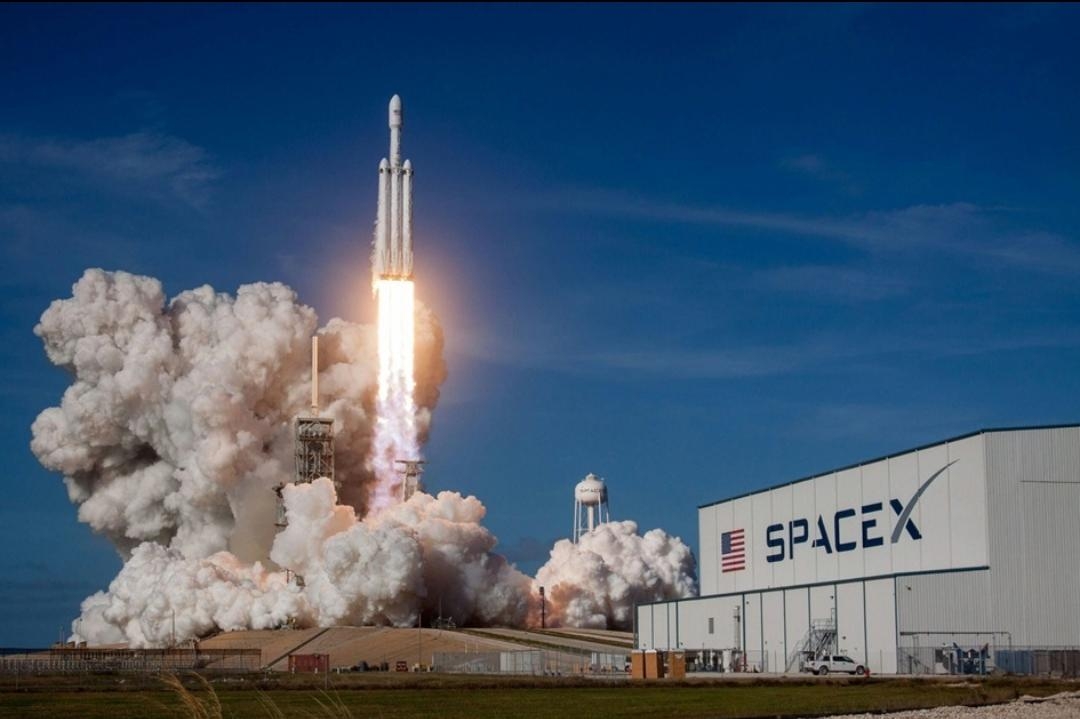
UNITED STATES — October 13, 2026
SpaceX’s market valuation has climbed to approximately $2.21 trillion, raising questions about the relationship between its rapid revenue growth, substantial capital spending and long-term profitability.
According to market data cited by StockVane, SpaceX shares closed at $167.60 on October 7, approximately 24% above their $135 initial public offering (IPO) price. The stock has experienced significant volatility since its market debut, while analysts remain divided over how much future growth is already reflected in its valuation.
SpaceX reported revenue of approximately $7.81 billion for the quarter ended June 30, 2026, representing 92% year-over-year growth. The company also reported a net loss of $541 million. Its financial results highlight the challenge of balancing rapid expansion with the substantial investment required to develop its space, connectivity and artificial intelligence businesses earnings release
SpaceX Stock Performance Since Its IPO
SpaceX priced its IPO at $135 per share in June 2026. The shares began trading on June 12, marking a major milestone for the company as it entered the public markets.
The stock initially gained momentum, reaching an intraday high of $225.64 on June 16, according to the market data cited in this analysis. It subsequently declined to a reported low of $104.83 in late July before recovering.
The subsequent rebound has renewed investor interest in the company’s growth prospects. However, the difference between its post-IPO high and subsequent low illustrates the volatility investors may face when evaluating a newly listed company with an ambitious growth strategy.
Investors are also assessing whether SpaceX’s current valuation adequately reflects the risks associated with its spending plans, operating performance and future revenue expectations.
Revenue Growth and Capital Spending
SpaceX’s second-quarter results showed substantial revenue growth. The company reported approximately $7.81 billion in revenue for the quarter ended June 30, compared with $4.1 billion in the same period a year earlier.
Despite that growth, the company reported a net loss of $541 million. Capital expenditures were reported at approximately $18.4 billion, significantly exceeding quarterly revenue.
The spending reflects the scale of investment required to expand infrastructure and develop emerging business opportunities. However, the difference between revenue and capital expenditures raises questions about how efficiently the company can convert its investments into sustainable financial returns.
SpaceX’s official second-quarter earnings release provides the primary reference for its reported revenue and net loss:
https://www.sec.gov/Archives/edgar/data/1181412/000162828026052515/earningsreleaseq22608042.htm
The company operates across several business areas, including satellite connectivity, space transportation and artificial intelligence. These operations have different investment requirements and profitability profiles, making segment-level performance an important consideration for investors.
StockVane’s analysis indicates that connectivity has been a significant contributor to operating performance, while AI-related investments and space operations have weighed on reported results. Investors will need additional quarterly disclosures to determine whether these investments begin delivering stronger financial returns.
Analyst Expectations and Valuation Risks
Analyst price targets provide one indication of how market professionals view SpaceX’s future prospects. However, those estimates can vary considerably depending on assumptions about revenue growth, margins, capital requirements and the commercial potential of emerging technologies.
StockVane’s reported analyst data shows a generally positive outlook among analysts covering the company. Nevertheless, a positive rating does not guarantee that a stock will appreciate or that its current valuation is justified.
Investors should also consider the distinction between research coverage and independent verification. Analysts affiliated with investment banks involved in an IPO may operate under regulatory and internal compliance requirements, but readers should review relevant disclosures when evaluating their research.
The wide range of reported price targets further illustrates the uncertainty surrounding SpaceX’s long-term valuation. More optimistic projections depend on substantial future growth, while more conservative assessments place greater emphasis on current financial performance and execution risks.
Share Supply and Market Volatility
The number of shares available for public trading can influence a stock’s price movements, particularly after a large IPO.
StockVane’s market data indicates that the publicly tradable share count has increased since SpaceX’s listing. Changes in insider share availability and institutional ownership may affect trading activity and short-term price volatility.
However, float estimates can differ across data providers because of variations in definitions, reporting dates and treatment of restricted shares. Investors should consult the company’s prospectus and applicable ownership disclosures before drawing conclusions about the amount of stock available for sale.
Trading volume is another important consideration. Heavy trading can reflect changing investor expectations, portfolio adjustments or reactions to new information. It does not, by itself, establish whether a company’s shares are overvalued or undervalued.
What SpaceX’s Valuation Implies
At a reported market capitalization of approximately $2.21 trillion, SpaceX’s valuation depends heavily on expectations for future revenue and profitability.
Traditional valuation measures, including price-to-sales ratios, can help investors compare companies. However, comparisons between SpaceX and established businesses must account for differences in business models, growth prospects, capital intensity and profitability.
SpaceX’s substantial investment requirements make operating margins, cash flow and returns on invested capital particularly important measures to monitor. Revenue growth alone may not be sufficient to justify a high valuation if spending continues to outpace the company’s ability to generate cash.
The company’s future results will help investors assess whether its investments in connectivity, space infrastructure and AI can support stronger margins and more predictable financial performance.
Key Developments to Watch
Several indicators may help clarify SpaceX’s financial outlook in the coming quarters:
– Operating performance: Whether revenue growth translates into improving operating margins and sustainable profitability.
– Capital expenditures: Whether spending remains elevated and how effectively the company converts investment into productive infrastructure.
– AI business performance: Whether the AI segment reduces its operating losses and demonstrates stronger commercial demand.
– Share supply: Whether additional insider shares entering the market affect trading dynamics.
– Financial disclosures: Whether subsequent quarterly reports provide evidence of improving cash generation and returns on investment.
These factors will be important in evaluating the assumptions underpinning current analyst expectations.
Conclusion
SpaceX’s rapid revenue growth and ambitious investment plans have made it a major focus of investor attention. At the same time, its reported quarterly loss and substantial capital expenditures highlight the financial challenges associated with expanding multiple capital-intensive businesses.
The company’s future valuation will depend not only on continued revenue growth but also on its ability to manage spending, improve operating performance and demonstrate that its investments can generate sustainable returns.
This article is for informational purposes only and does not constitute investment advice.
Data and sources: StockVane market data, analyst ratings and financial analysis, subject to verification against official company filings and other primary sources. Valuation comparisons and financial calculations should be checked against the underlying data before publication.
About StockVane
StockVane is a financial research platform providing market data, analyst ratings, company financial information and investment research to help readers evaluate publicly traded companies and market developments.
Disclosure: The original author disclosure states that the author did not own SpaceX shares as of October 13, 2026, and received no compensation from SpaceX or any bank involved in its offering. Confirm that this disclosure remains accurate before publication.
Disclaimer:
This press release may contain forward-looking statements. Forward-looking statements describe future expectations, plans, results, or strategies (including product offerings, regulatory plans and business plans) and may change without notice. You are cautioned that such statements are subject to a multitude of risks and uncertainties that could cause future circumstances, events, or results to differ materially from those projected in the forward-looking statements, including the risks that actual results may differ materially from those projected in the forward-looking statements.
Media Contact
Company Name: StockVane
Contact Person: Alex Carter
Email: Send Email
Country: United States
Website: https://www.stockvane.com/


