
4UGEAR Expands Custom Headwear Manufacturing Support for Buyers Seeking Performance Hats, Running Caps, and OEM Baseball Caps
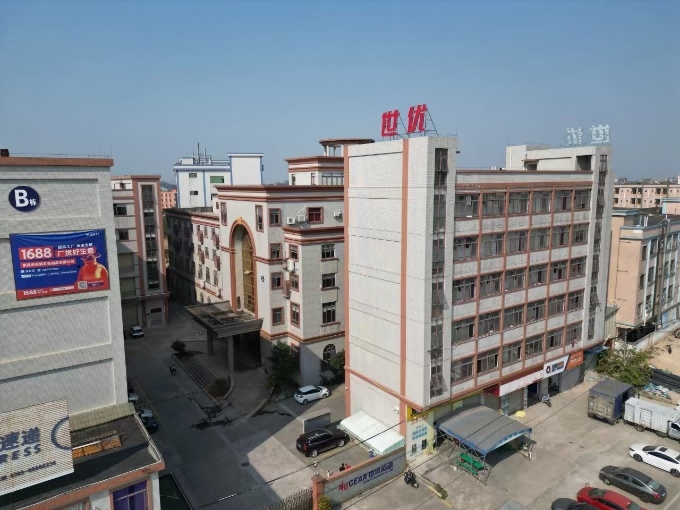
Dongguan, Guangdong, China – October 13, 2026 — 4U Sporting Goods Co., Ltd., operating under the brand 4UGEAR, highlights its integrated headwear development and manufacturing services for brands, importers, wholesalers, and private-label businesses sourcing custom performance hats, running caps, waterproof caps, five-panel baseball caps, trucker hats, snapback caps, and other headwear products. With production facilities in Dongguan, China, and Vietnam, the company supports OEM and ODM projects that require coordinated product development, sample preparation, decoration, quality inspection, and bulk production planning.
As brands and distributors refine their headwear purchasing strategies, supplier selection increasingly involves more than comparing unit prices. Buyers must evaluate product construction, customization options, manufacturing consistency, order quantities, production schedules, quality management, and export coordination. For businesses developing seasonal collections, sports accessories, outdoor products, or streetwear lines, these considerations can influence the practical suitability of a manufacturing partner throughout the product lifecycle.
4UGEAR provides manufacturing support designed to connect these requirements within a coordinated workflow, helping business customers assess product feasibility and move from an initial concept toward sample approval and production planning.
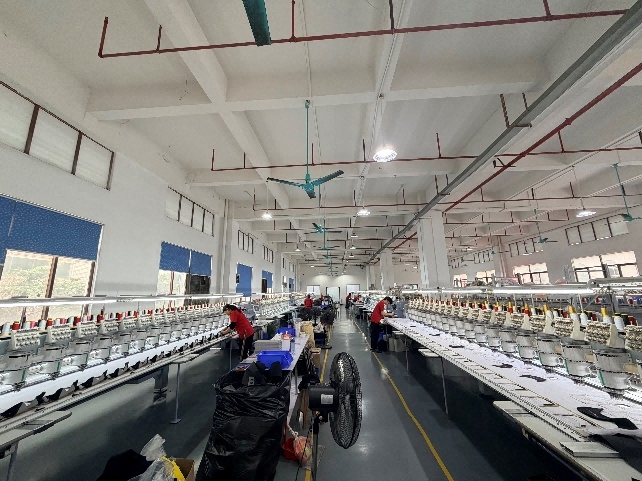
Supporting Demand for Custom Performance Hats and Technical Headwear
Performance hats serve a range of applications, including running, outdoor recreation, training, travel, and everyday sportswear. Product requirements can vary considerably according to the intended activity, target customer, retail channel, and brand positioning. Some buyers prioritize lightweight construction and ventilation, while others focus on fabric selection, brim shape, adjustability, decoration, or a consistent appearance across a product collection.
For buyers sourcing custom performance hats, the development process often begins with defining the intended use and identifying the product features that must remain consistent throughout production. Material selection, panel construction, logo placement, stitching, closures, and packaging can all influence the final specification.
4UGEAR works with brand customers to discuss these requirements before sampling and bulk manufacturing. Its OEM and ODM approach supports the development of customized headwear based on customer references, sketches, product concepts, and technical requirements. Depending on the approved specification and manufacturing feasibility, customers can discuss different fabric options, construction details, and decorative treatments.
Businesses evaluating a performance hat manufacturer or performance hat factory can use this process to clarify whether a proposed design aligns with their target price, expected order quantity, production schedule, and quality requirements. Performance characteristics such as moisture management, ventilation, and water resistance should be specified and evaluated according to the actual materials and construction selected for each product.
Unstructured Running Caps for Sports and Outdoor Collections
Unstructured running caps represent a distinct product category for brands developing lightweight headwear collections. Compared with structured cap designs, unstructured running caps generally use a softer crown construction, making their shape, fabric behavior, and overall feel important considerations during product development.
Buyers looking for custom unstructured running caps may need to determine the appropriate fabric weight, brim flexibility, panel arrangement, adjustment system, and logo application. These details should be considered alongside the intended use, target customer, and expected retail positioning.
For a running caps manufacturer, translating a design reference into a repeatable production specification requires coordination between development, sampling, material selection, and manufacturing. A sample may establish the desired appearance, but the approved specification must also account for how the materials and construction will perform during bulk production.
4UGEAR supports the discussion of product requirements and sample development for custom headwear projects. Brands can provide reference photographs, sketches, logo artwork, or technical packs to establish the initial direction. The development team can then review the information needed to clarify the proposed construction and prepare for sampling.
Businesses comparing running caps suppliers can assess these capabilities by asking how the supplier manages sample revisions, confirms construction details, and communicates production requirements before an order moves forward. Such questions can help reduce misunderstandings between the initial design concept and the finished product.
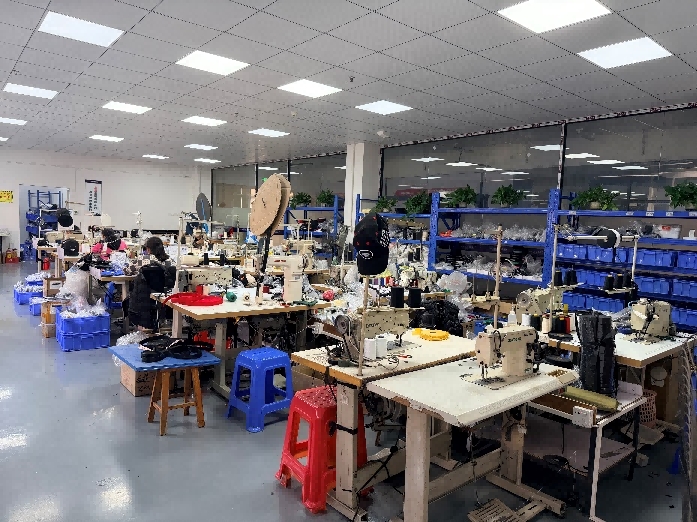
Waterproof Caps and Material-Specific Product Requirements
Waterproof caps are relevant to outdoor, travel, and performance-oriented product collections where protection from rain is part of the intended product specification. However, waterproof performance depends on the selected fabric, coatings or membranes, seam construction, closure details, and the testing criteria applied to the finished product.
For this reason, buyers sourcing custom waterproof caps should define the required level of water resistance before approving materials or finalizing production. A water-repellent fabric and a fully waterproof construction should not be treated as interchangeable specifications.
When evaluating a waterproof cap manufacturer, purchasing teams can review available material options, construction feasibility, sample requirements, and the procedures used to assess the finished product. They should also clarify which performance claims can be supported by documented testing.
4UGEAR’s development-oriented manufacturing process allows product requirements and construction details to be discussed before sampling and bulk production planning. The suitability of a specific waterproof cap design must be determined according to the agreed specification and the capabilities of the selected materials and production methods.
This approach is relevant to importers and private-label brands that need their product descriptions, quality expectations, and manufacturing instructions to remain aligned. Clear specifications can help both the buyer and supplier identify potential limitations before they affect a larger order.
Five-Panel Baseball Caps, Camp Caps, and Contemporary Headwear
Five-panel baseball caps and camp caps are used across streetwear, casual fashion, outdoor retail, and branded merchandise. Although the categories can overlap in certain design features, buyers should distinguish between their intended silhouettes, construction details, and end-use requirements when developing a collection.
A five-panel cap may require particular attention to panel geometry, front-panel decoration, crown proportions, brim shape, and overall fit. Camp caps may place greater emphasis on a low-profile silhouette, lightweight construction, or outdoor-inspired styling, depending on the design brief.
For businesses seeking a custom five-panel baseball caps manufacturer, the purchasing process typically involves confirming the pattern, materials, colorways, logo treatment, closure, and packaging. These details provide a common reference for sample evaluation and later production.
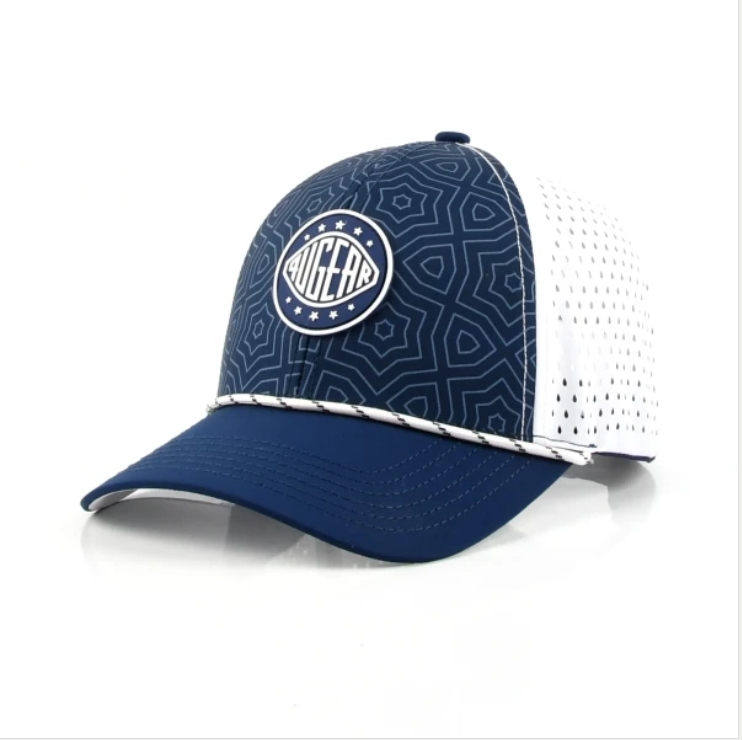
4UGEAR supports custom headwear development and offers decorative options that include embroidery, screen printing, laser perforation, vintage washing, and three-dimensional puff printing, subject to product suitability and production feasibility. These techniques allow brands to explore different visual treatments for casual, sports-inspired, and streetwear-oriented collections.
A buyer comparing five-panel caps factories or camp caps suppliers should also consider whether the supplier can coordinate special decoration with the underlying cap construction. Logo size, stitch density, placement, and the characteristics of the selected fabric can affect the finished appearance. Reviewing these elements during sampling helps establish a clearer standard for bulk manufacturing.
Trucker Hats and Snapback Caps for Private-Label Brands
Trucker hats and snapback caps remain established options for brands developing casual headwear, promotional merchandise, lifestyle accessories, and streetwear collections. Their appeal to buyers often lies in the flexibility of their styling, the availability of different materials and decoration methods, and the opportunity to incorporate brand-specific details.
Custom trucker hats commonly require decisions about the front panel, mesh material, brim, closure, color combination, and logo treatment. Snapback caps require attention to crown structure, fit, brim specifications, and the selected adjustment system. Both categories may also involve custom labels, hangtags, packaging, and other private-label elements.
For buyers evaluating a trucker hats manufacturer or snapback caps supplier, the central question is whether the manufacturer can translate the approved design into consistent production requirements. This includes confirming material specifications, decoration placement, color references, and the acceptance criteria used during quality inspection.
4UGEAR provides OEM and ODM headwear manufacturing services for customers seeking customized products rather than only standard, ready-made designs. Customers can discuss the intended market, product positioning, order volume, and manufacturing priorities during the initial project review.
The company’s manufacturing capabilities include embroidery and other specialized decoration processes. For more complex designs, buyers can discuss how the chosen decoration method may affect sample development, production planning, and the feasibility of reproducing the intended appearance at scale.
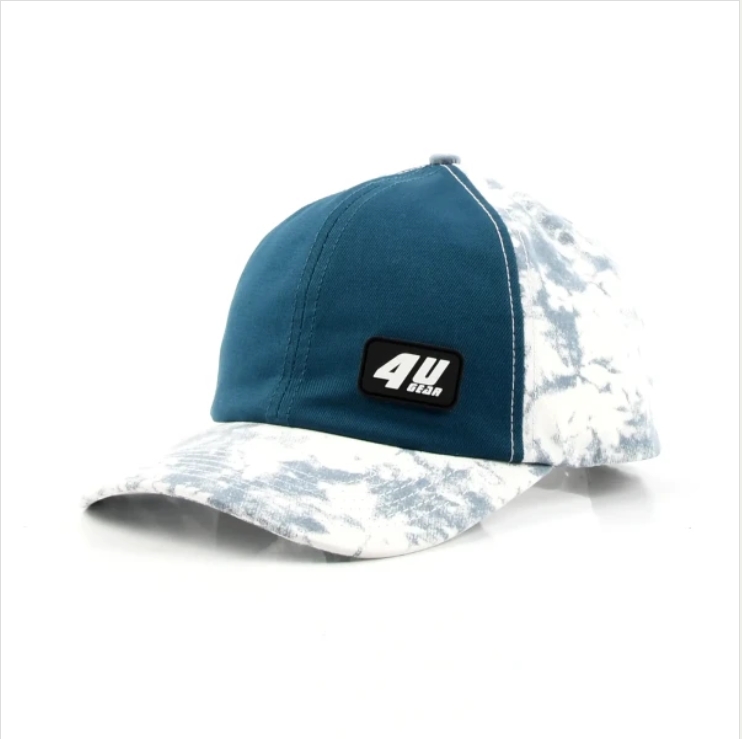
Baseball Caps and the Importance of Coordinated OEM Manufacturing
Baseball caps remain a core category for sports brands, lifestyle labels, wholesalers, promotional product businesses, and retailers. Customization can extend beyond the logo to include crown structure, brim shape, fabric, lining, sweatband, closure, labels, and packaging.
For companies seeking a baseball caps manufacturer, the sourcing process often begins with a product concept but eventually requires a detailed manufacturing brief. The more clearly the brief identifies fixed requirements and areas open to adjustment, the easier it becomes to review feasibility and establish a workable development plan.
4UGEAR connects product development, sampling, material coordination, manufacturing, quality inspection, packaging, and export communication within its operating workflow. This structure is intended to reduce unnecessary handoffs between separate stages of a headwear project.
Customers can begin by providing reference images, sketches, logo files, technical packs, target quantities, and desired delivery timing. The information helps the company understand the proposed design and identify the questions that need to be resolved before sampling.
For buyers assessing a baseball caps factory or baseball caps supplier, relevant evaluation criteria include the supplier’s ability to interpret specifications, manage revisions, coordinate specialized decoration, and communicate production constraints. A practical evaluation should also consider whether the manufacturer can support the customer’s anticipated order pattern, including initial development and potential repeat orders.
Manufacturing Operations in China and Vietnam
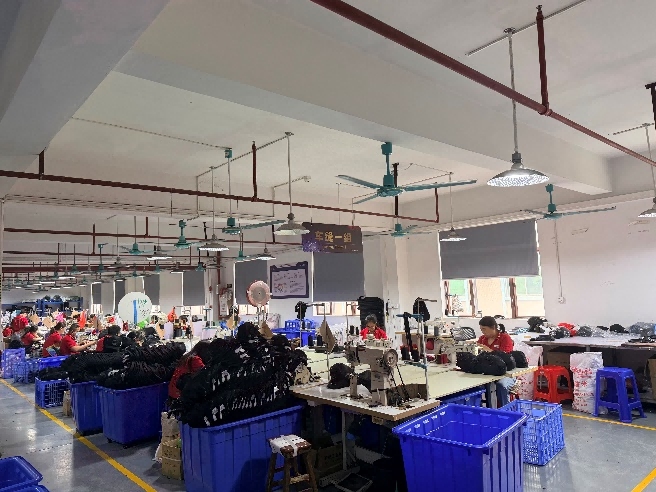
4U Sporting Goods Co., Ltd. operates production facilities in Dongguan, Guangdong, China, and Vietnam. The company’s manufacturing arrangement provides customers with two production locations to consider when discussing production scheduling and sourcing requirements.
For international buyers, the location of manufacturing can affect logistics planning, shipping arrangements, cost calculations, and the documentation required for an import transaction. However, the most appropriate production route depends on the individual order, product specification, origin requirements, applicable trade rules, and destination market.
The company’s China and Vietnam manufacturing resources are intended to support coordination across different headwear programs. Buyers can discuss the requirements of a proposed order with the company before determining which production arrangement is suitable.
For European buyers, any potential tariff benefit associated with Vietnam-origin products should be assessed against the relevant product classification, applicable rules of origin, documentary requirements, and trade agreement provisions. Preferential treatment is not automatic merely because a product is manufactured or shipped from Vietnam.
For customers importing into the United States, Mexico, Canada, or other markets, purchasing teams should similarly confirm the applicable customs, origin, labeling, and import requirements for their specific products. Clear communication between the buyer and manufacturer can help establish a more reliable basis for production and shipment planning.
Quality Control, Sampling, and Bulk Production
Quality management is an important consideration when purchasing customized headwear because relatively small differences in construction can become more noticeable across larger production quantities. Stitching, embroidery alignment, panel dimensions, color consistency, brim shape, closure installation, and finishing details can all influence whether finished goods match an approved sample.
4UGEAR describes a quality inspection process that covers raw materials, stitching, embroidery calibration, and finished products. The company also emphasizes coordination between sample development and bulk manufacturing, with the objective of maintaining consistency as a project moves through successive stages.
For B2B buyers, sample approval should establish more than visual preference. It should also confirm the product specifications, materials, decoration details, measurements, and relevant acceptance criteria. Where specialized performance claims apply, the buyer should identify the required test methods and documentation before production begins.
A professional headwear manufacturer should also provide a clear process for communicating changes. If a material becomes unavailable, a construction detail requires adjustment, or a production constraint emerges, the buyer needs sufficient information to evaluate the implications before approving a revised specification.
These considerations apply to performance hats, unstructured running caps, waterproof caps, five-panel caps, trucker hats, snapback caps, and conventional baseball caps alike. A documented specification and an agreed sample provide a practical reference for both production teams and purchasing departments.
How B2B Buyers Can Evaluate a Custom Headwear Supplier
Selecting a custom headwear supplier involves balancing product requirements, commercial expectations, and operational risk. Buyers can make the evaluation process more productive by preparing several key pieces of information before requesting a quotation.
First, the product brief should identify the cap type, target customer, intended application, desired materials, decoration method, and relevant dimensions. Reference photographs or technical drawings can help clarify the expected result.
Second, buyers should establish a realistic quantity range and clarify whether the project involves an initial trial order, a seasonal launch, or a recurring supply program. Minimum order quantities, material availability, and production feasibility should be confirmed directly with the manufacturer rather than assumed.
Third, the quotation process should account for the complete product specification. Different fabrics, embroidery requirements, closures, labels, packaging, and inspection requirements may influence the final cost. Comparing quotations is more useful when the underlying specifications are consistent.
Fourth, the sampling process should be discussed before the order is finalized. Buyers should clarify expected sample timing, revision procedures, approval responsibilities, and how approved details will be carried into bulk production.
Finally, delivery expectations should be considered alongside production capacity and logistics. Buyers can provide a target date and destination early in the discussion so that manufacturing and shipment requirements can be reviewed before commitments are made.
These steps offer a practical framework for companies searching for a professional performance hat manufacturer, a running caps factory, a waterproof cap supplier, or a custom baseball caps maker. The goal is not simply to identify a supplier that can produce a particular style, but to establish whether the supplier’s development process, manufacturing capabilities, and communication practices fit the buyer’s needs.
Supporting International Brands and Distribution Channels
4UGEAR serves B2B customers that include overseas brands, sports labels, streetwear businesses, cross-border e-commerce sellers, retail chains, importers, and wholesalers. The company reports experience serving customers across more than 20 countries, with a focus on North American markets that include the United States, Mexico, and Canada.
Different purchasing channels create different product and operational requirements. A streetwear brand may emphasize silhouette, embroidery, washing effects, and distinctive visual details. A sports-oriented business may prioritize fit, lightweight construction, and clearly defined functional specifications. A wholesaler may place greater emphasis on product consistency, order planning, packaging, and repeatability.
For Mexican buyers searching for gorras personalizadas, gorras deportivas, or a gorras manufacturer, the same purchasing considerations apply: the design must be translated into an agreed specification, the decoration must suit the selected construction, and the manufacturing plan must match the intended commercial requirements.
By discussing the target market and intended sales channel at the beginning of a project, buyers and manufacturers can better align product development with the final use of the goods. This can also help determine which customization options are necessary and which details can be simplified to meet a target cost or production schedule.
4UGEAR’s stated approach is to coordinate development and manufacturing decisions across the project rather than treating sampling, decoration, quality inspection, and delivery as unrelated tasks. For purchasing teams managing multiple styles or repeat orders, this coordinated workflow can provide a clearer framework for reviewing project progress and resolving technical questions.
Project Inquiries and Product Development
Brands and purchasing teams interested in custom performance hats, unstructured running caps, waterproof caps, five-panel baseball caps, camp caps, trucker hats, snapback caps, or other custom headwear can contact 4U Sporting Goods Co., Ltd. to discuss their requirements.
To support an informed initial review, prospective customers can prepare the product category, reference images, logo artwork, target quantity, destination market, desired delivery schedule, and any required packaging or labeling details. Where specifications remain undecided, buyers can identify the areas where they would welcome manufacturing guidance.
The company can then review the project information and determine the appropriate next steps for product clarification, sampling, quotation, and production planning. Specific pricing, minimum order quantities, sample timing, production lead times, certifications, and functional performance claims should be confirmed for each project.
About The Company
4U Sporting Goods Co., Ltd., operating under the 4UGEAR brand, is a headwear development and manufacturing company based in Dongguan, Guangdong, China, with additional production facilities in Vietnam. Founded in 2003 according to the company’s supplied corporate profile, it provides OEM and ODM services for baseball caps, trucker hats, snapback caps, performance hats, running caps, and other customized headwear. Its services cover product development, sampling, decoration, production coordination, quality inspection, and export support for business customers. The company’s mission is to help international brands and buyers develop customized headwear through coordinated manufacturing processes, practical communication, and attention to product requirements.
Media Contact
Company Name: 4U Sporting Goods Co., Ltd
Contact Person: Tommy
Email: Send Email
Phone: 8613546956008
Address:No. 5, Farm Road, Zhongkeng New Industrial Park, Shiping Town, Dongguan City, Guangdong Province
City: Dongguan
State: Guangdong
Country: China
Website: https://www.4ugearsupply.com/


